
Olympic Weightlifting for Kids: A Parent’s Guide to Getting Started

  • ,
    Olympic Weightlifting for Kids: A Parent’s Guide to Getting Started

    A few times every month, I get some version of the same message from a parent. Usually it starts with hesitation.

    “My kid saw Olympic weightlifting online and now they won’t stop talking about it. Is this actually safe?”

    Sometimes, it is simply: “Are they too young to start lifting?”

    A lot of parents still hear “weightlifting” and picture kids trying to move massive weights with bad technique and no supervision. That is not what a good youth program looks like. 

    Olympic weightlifting, when coached properly, is one of the most structured and carefully progressed sports a young athlete can do. Most beginner athletes spend far more time learning how to move than they do lifting heavy weight.

    If your child is interested in the sport, here is what parents should know before getting started.

    What parents usually misunderstand about Olympic weightlifting

    A few times every month, I get some version of the same message from a parent. Usually it starts with hesitation.

    “My kid saw Olympic weightlifting online and now they won’t stop talking about it. Is this actually safe?”

    Sometimes, it is simply: “Are they too young to start lifting?”

    A lot of parents still hear “weightlifting” and picture kids trying to move massive weights with bad technique and no supervision. That is not what a good youth program looks like. 

    Olympic weightlifting, when coached properly, is one of the most structured and carefully progressed sports a young athlete can do. Most beginner athletes spend far more time learning how to move than they do lifting heavy weight.

    If your child is interested in the sport, here is what parents should know before getting started.

    What parents usually misunderstand about Olympic weightlifting

    Olympic weightlifting revolves around two lifts: the snatch and the clean and jerk. The snatch moves the bar from the floor to overhead in one movement, while the clean and jerk brings the bar to the shoulders first before driving it overhead.

    When parents watch elite lifters at the Olympics, they usually notice the weight first. Coaches tend to notice something else entirely: timing, coordination, mobility, balance, and speed. Those are really the qualities the sport develops.

    A good youth weightlifting program is not trying to create tiny powerlifters. It is teaching kids how to move properly, become more coordinated, and develop explosive athletic ability safely over time. That is one reason the sport transfers so well into hockey, soccer, basketball, football, volleyball, and track. Most sports reward explosiveness. Very few actually teach it directly.


    Find and compare weightlifting programs for kids on the GoPlay platform. Registration is free. Visit: https://app.goplay.ai or click the button below

    Why the safety concerns are usually overblown

    The first concern most parents raise is injury risk, which makes sense because the sport looks intense from the outside. But supervised Olympic weightlifting actually has one of the lower injury rates among youth sports, especially compared to contact sports like hockey and football. Weightlifting Canada and the Ontario Weightlifting Association both maintain extensive coaching and certification standards around youth development and safety.

    The bigger issue is not the sport itself. It is the quality of the coaching.

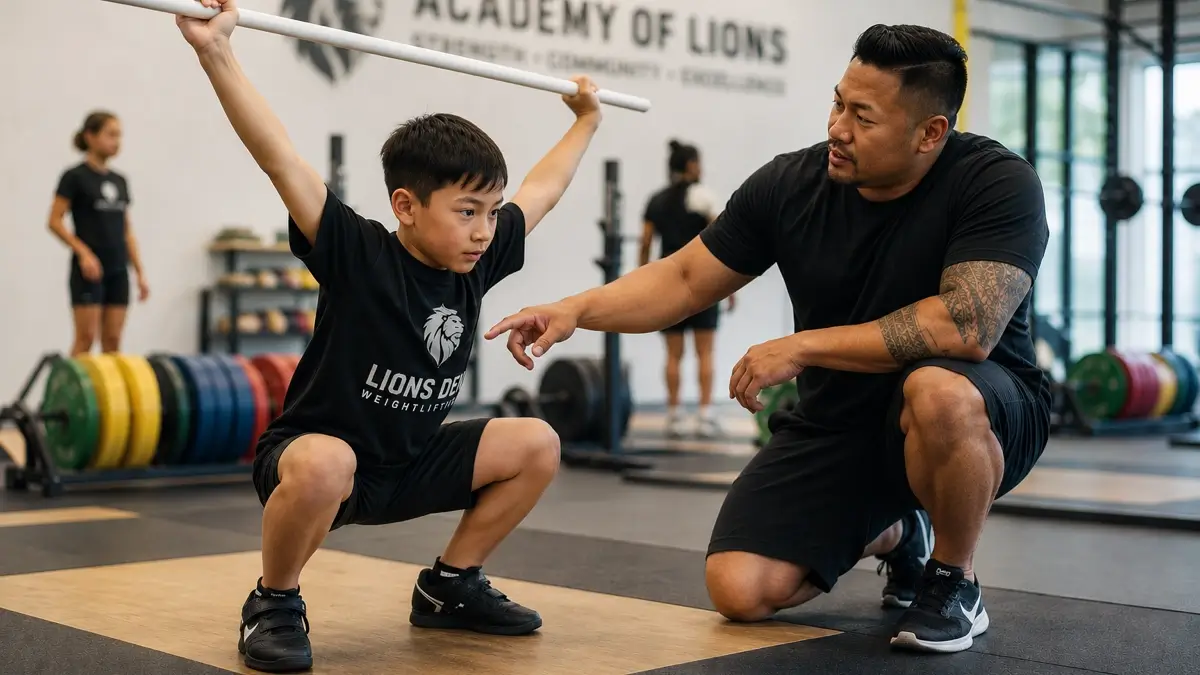
    Parents should pay close attention to how beginner athletes are coached and progressed. A strong youth program does not rush kids into heavy lifting, chase ego-driven numbers, or sacrifice movement quality for intensity. At Lions Den, beginners spend time with PVC pipes, light bars, and movement drills long before heavier loads are introduced. Kids learn positions, timing, balance, and control first. The technique leads, and the weight follows.

    The other concern parents bring up constantly is growth plates and stunted growth. Sports medicine research has repeatedly shown that supervised strength training does not harm healthy bone development in children. In many cases, properly structured strength training improves bone density and long-term athletic development. The important part is that the training is supervised, progressive, and technically sound.

    What age kids are usually ready to start

    I have worked with athletes as young as eight years old, although that does not mean every eight-year-old is ready for a structured weightlifting environment. The better question is whether a child can follow instruction, stay focused through a session, handle structure, and accept coaching corrections.

    For a lot of kids, things really start to click somewhere around ages 10 to 12. That is often when coordination and attention span begin lining up with the technical side of the sport. Still, every athlete is different. Some younger kids pick things up immediately, while some older beginners need more time.

    Parents sometimes worry their child is “behind” because another athlete progresses faster. In practice, that concern usually fades once kids settle into the process. Olympic weightlifting rewards patience more than almost any other sport.

    What parents should look for in a youth program

    The way coaches interact with beginners tells parents a lot about the quality of a program. Corrections should be calm, specific, and constructive. Young athletes should look engaged and supported, not intimidated or rushed. Watching a session in person is often more revealing than anything written on a website.

    Coaching credentials matter too. In Canada, coaching certifications typically run through the National Coaching Certification Program alongside Weightlifting Canada. Qualified coaches should be comfortable explaining how they progress beginners, how they approach safety, and what early-stage training looks like for younger athletes.

    Parents should also pay attention to the overall culture of the gym. The strongest youth environments are usually focused without feeling tense or overly competitive. Kids encourage each other, mistakes are treated as part of learning, and beginners are not made to feel like they are behind.

    Most young athletes do not walk into a gym full of confidence. A lot of them are awkward at first. Good coaching accounts for that and builds athletes gradually over time.

    What your child’s first few months should actually look like

    One thing parents are often surprised by is how technical beginner training really is. Early sessions usually focus heavily on movement prep, mobility, positions, timing, and body awareness. A lot of beginners spend time working with PVC pipes or light training bars while they learn movement patterns. That is exactly how it should look.

    As athletes improve, coaches gradually layer in squats, pulling variations, pressing work, core development, jumping drills, and explosive movements. The goal early on is not to see how much weight a child can lift. It is to help them become better movers and more coordinated athletes overall.

    The best youth programs also keep sessions engaging because kids learn faster when they enjoy being there. Good coaches understand that balance between structure and energy.

    Questions to Ask a Kids Weightlifting Coach

    Before enrolling your child in a youth Olympic weightlifting program, it helps to ask a few direct questions. A good coach should be comfortable answering all of them clearly.

    • How are beginners introduced to the sport?
    • How long do new athletes spend learning technique before lifting heavier weight?
    • Do beginner athletes start with PVC pipes or light training bars?
    • What coaching certifications do you hold?
    • How many kids are typically supervised during a session?
    • How do you correct mistakes or unsafe movement patterns?
    • How do you handle athletes who progress at different speeds?
    • What does a typical beginner session look like?
    • How do you balance competition with long-term athletic development?
    • Are kids encouraged to play other sports alongside weightlifting?
    • What steps do you take to prevent injuries?
    • How do you communicate with parents about athlete progress?
    • Can parents watch a session before registering?
    • What should parents expect during the first few months?
    • How do you keep younger athletes engaged while still teaching proper technique?

    Be sure to attend a session in person. It is the best way to evaluate a program. Pay attention to how coaches speak to kids, how athletes interact with each other, and whether the environment feels supportive, structured, and safe. The strongest youth programs are typically disciplined without feeling intimidating.

    What parents usually notice after a few months

    The physical changes are obvious, but the more meaningful changes usually happen outside the gym.

    After a few months, parents notice that their child seems more confident. They focus better. They handle frustration differently. They stop quitting as quickly when something gets difficult.

    A lot of that comes from the nature of Olympic weightlifting itself. In this sport, everybody misses lifts. Beginners miss lifts. National-level athletes miss lifts. Olympians miss lifts. You put yourself out there, attempt something difficult, fail sometimes, and then learn to reset without falling apart.

    Over time, kids start realizing that failure is not catastrophic. It is feedback. It is part of improvement. That lesson carries into school, other sports, friendships, and eventually adulthood. The platform becomes a place where kids slowly build resilience without even realizing they are doing it.

    And honestly, that is the part that matters most. 

    The medals are great when they happen. Progress in the gym is rewarding too. But watching a young athlete become more confident, more patient, and more comfortable with challenge over time is usually the real win.


    Find and compare weightlifting programs for kids on the GoPlay platform. Registration is free. Visit: https://app.goplay.ai or click the button below

  • What Playing Pro Football Taught Me About Discipline, Kids, and Long-Term Success

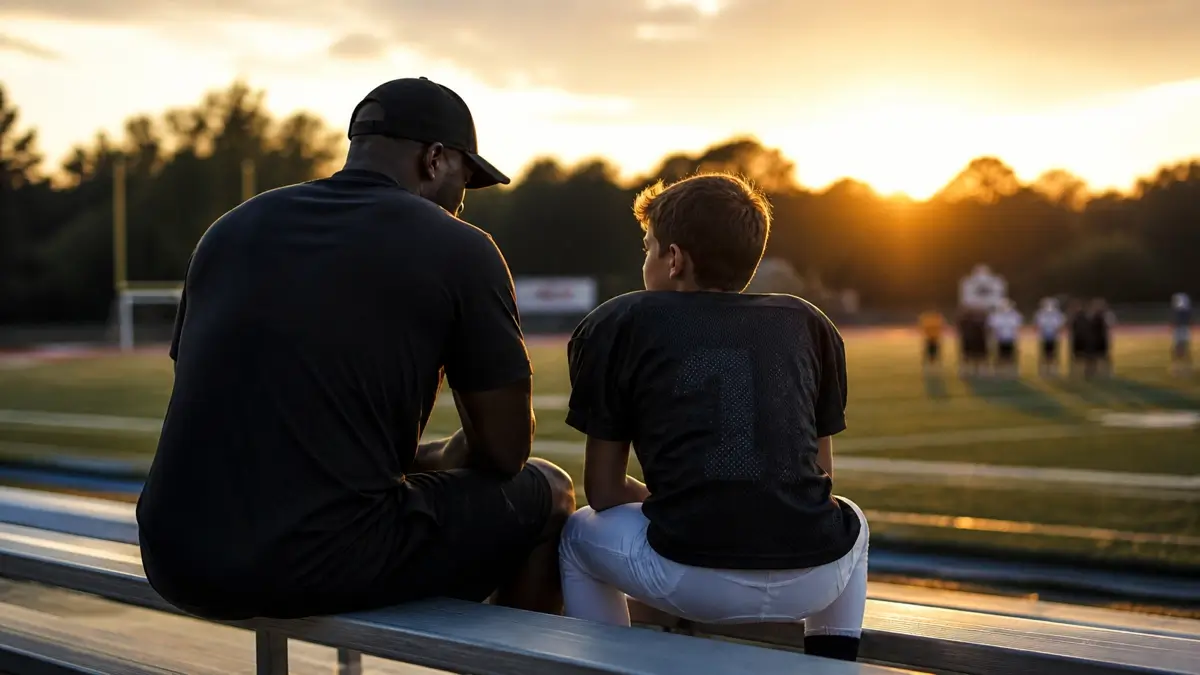
    Discipline doesn’t show up on game day. By then, it’s already built. What you’re seeing is the result of thousands of reps nobody ever watched. That’s the part most people miss, especially when it comes to kids and athletic success.

    When I watch youth sports now, the biggest gap isn’t talent or coaching. It’s how we think about development. There’s a tendency to look for progress early, whether that’s performance, recognition, or advancement. But the habits that lead to long-term success don’t look impressive at the start. They’re repetitive, sometimes frustrating, and easy to overlook if you’re focused on outcomes. That’s where discipline either takes hold or doesn’t.


    Find programs and gyms that help your young athlete be their best at their sport on the GoPlay platform. Registration is free. Visit: https://app.goplay.ai or click the button below


    How Discipline Actually Gets Built

    When I first stepped into a professional football environment, what stood out wasn’t intensity in the way most people expect. It wasn’t loud or chaotic. It was controlled, consistent, and deliberate. Practice had a rhythm to it. Routes were run the same way again and again, timing was refined in small increments, and details were repeated until they became automatic.

    It wasn’t about proving anything that day. It was about building something that would hold up later, when the pressure was real and there was no time to think.

    That’s very different from how kids often experience sports. In practice, I tend to see one of two extremes. Either things are too loose, where attendance and effort vary and kids never settle into a rhythm, or everything becomes structured and outcome-driven too early, before the child is ready for it. Neither approach builds real discipline.

    For younger kids, discipline is much more basic than people expect. It’s about showing up regularly, staying engaged, and beginning to understand that effort leads to improvement. That connection takes time, but once it forms, everything else becomes easier to build on top of it.

    Why Pushing Too Early Backfires

    There’s a common assumption that discipline comes from doing more, earlier. More training, more structure, more focus on one sport.

    At the professional level, it actually works the opposite way. Workload is managed carefully. Intensity is controlled. There’s a clear understanding that development happens over time, not all at once.

    With kids, when you push too early, you don’t create discipline. You create resistance.

    In practice, it shows up gradually. Kids lose interest, hesitate before sessions, or start going through the motions without real engagement. It’s not that they lack ability or effort. It’s that the environment has moved beyond what they’re ready to handle. Once that happens, it becomes much harder to rebuild the connection between effort and progress. That’s where a lot of development stalls.

    Research has shown that early specialization increases both injury risk and burnout without improving long-term outcomes. What it really does is shorten the window where discipline could have developed naturally.

    If you want discipline to stick, it has to be built at a pace the child can sustain.

    There are exceptions to this. Some sports do require earlier specialization if a child wants to compete at an elite level. That’s just the reality of how those pathways are structured.

    But even in those cases, the same principle applies. The decision should come from the child’s genuine interest, not pressure from the outside.

    When a kid truly loves one sport, it’s fine to lean into that. The key is paying attention to the signals. If enthusiasm drops, if performance suddenly dips without explanation, or if aches and pains start to show up more often, those are early warning signs that the balance is off.

    Discipline doesn’t come from narrowing things too quickly. It comes from staying engaged long enough for the habits to take hold.

    Practical Guardrails

    There are also practical guardrails that can help parents manage this balance.

    A useful guideline many coaches follow is that children should spend no more hours per week in organized sport than their age. A 10-year-old, for example, should generally not exceed 10 hours per week.

    When that threshold is exceeded, the risk of burnout and long-term physical injury starts to rise. That doesn’t mean it can’t be done, but it does mean the trade-offs should be understood clearly.

    To manage that risk, a few simple rules tend to make a meaningful difference:

    • One full day off from organized sport each week
    • No more than a 10 per cent increase in training volume at a time
    • At least three months of cumulative rest across the year to allow for both physical recovery and mental reset

    These aren’t about limiting potential. They’re about protecting it over the long term.

    Why Variety Strengthens Discipline

    There’s a concern I hear often from parents that if their child doesn’t focus early, they’ll fall behind. The assumption is that discipline comes from committing to one thing as soon as possible. But, from what I’ve seen, especially at higher levels, the opposite is usually true. Variety doesn’t weaken discipline. It reinforces it.

    This doesn’t mean every child needs to stay general forever. Some will naturally gravitate toward one sport. The difference is whether that focus is chosen or imposed.

    When kids move between activities, they’re still learning the same underlying habits. Showing up, listening, adjusting, working through mistakes. Those behaviours carry across environments and tend to stick better because the experience stays engaging.

    There’s also a physical benefit. Different activities challenge different movement patterns, which helps reduce the risk of overuse injuries that come from repeating the same motions year-round. The challenge for most families isn’t understanding this. It’s coordinating it.

    Schedules fill up quickly. Registration windows are tight. Decisions get made based on what’s available instead of what actually makes sense long term. Being able to step back and compare kids sports programs or seasonal options in one place makes a real difference.

    Consistency Is What Builds Long-Term Success

    If there’s one principle from pro sport that applies directly to kids, it’s this. Consistency is what drives everything.

    You don’t need extreme intensity to build progress. You need regular participation over time. Two or three steady sessions a week will outperform inconsistent bursts of effort every time, because consistency allows skills to compound.

    In practice, the kids who improve aren’t always the most naturally talented. They’re the ones who keep showing up. They settle into a rhythm, start to see small improvements, and those improvements reinforce their effort. That’s where discipline actually forms.

    Once a child understands that effort leads to progress, they stop needing to be pushed. They start taking ownership, and that’s when development really accelerates.

    Signs the Environment Is Moving Too Fast

    Parents often ask how to tell the difference between a healthy challenge and too much pressure. In most cases, the signs show up in behaviour before anything else.

    • A noticeable drop in enthusiasm before practices or games
    • Sudden dips in performance without a clear reason
    • Frequent complaints about soreness or minor injuries
    • Hesitation, anxiety, or resistance around participation
    • Going through the motions without real engagement

    When you see these patterns, it’s usually not about effort or attitude. It’s a signal that the environment has outpaced the child’s readiness.

    What Long-Term Success Really Means

    Very few kids will play sports at a professional level, but that doesn’t make what they’re doing any less important. In many ways, it makes it more important to get it right.

    The real value of sport is in the habits it builds. Confidence, resilience, time management, and the ability to stick with something that isn’t immediately rewarding. Those are the outcomes that carry forward.

    When you take a long-term view, your decisions change. You stop asking whether your child is ahead right now and start asking whether the environment they’re in is helping them grow. That includes how activities fit together.

    Looking at after-school programs, sports, and summer camps as part of a broader plan helps reduce stress and gives kids the space they need to develop properly. It also makes it easier to maintain the consistency that discipline depends on.


    Find programs and gyms that help your young athlete be their best at their sport on the GoPlay platform. Registration is free. Visit: https://app.goplay.ai or click the button below


    FAQ: Discipline, Kids, and Long-Term Success

    Here are frequently asked questions about kids, self-discipline and success.

    What does discipline actually mean for kids in sports?

    For kids, discipline is about consistency rather than intensity. It shows up as regular participation, staying engaged during sessions, and learning how effort leads to improvement over time. These habits are simple at first, but they become more structured as the child develops. Discipline becomes internal when kids begin to take ownership of their effort.

    At what age should kids start developing discipline?

    Discipline begins early, but it looks different depending on the stage. At ages 5 to 8, it’s about showing up and participating. Between ages 9 to 12, it becomes more about consistency and learning to focus. By the early teen years, discipline includes accountability and the ability to work through challenges without losing engagement.

    Why is consistency more important than intensity?

    Consistency allows skills to build gradually and predictably. When kids participate regularly, they begin to see progress, which reinforces their effort and motivation. Intensity without consistency often leads to uneven development and frustration. Over time, steady repetition is what produces lasting results.

    Can discipline be taught, or does it develop naturally?

    Discipline can be taught, but it develops through environment rather than instruction. Kids build discipline when they are placed in situations that reward consistency and effort. Over time, they begin to associate those behaviours with improvement. That’s when discipline becomes something they own.

    Where can I find a coach or program to help my youth athlete with performance?

    Sign up and search the GoPlay.ai platform for programs, coaches and trainers (including the Youthlete Academy) run by this post’s author. Visit: https://app.goplay.ai/signup

    What happens when kids are pushed too hard too early?

    When kids are pushed too hard too early, they often lose engagement. The environment becomes stressful rather than developmental, which can lead to burnout or withdrawal. Research shows that early pressure and specialization increase the risk of injury and dropout. Sustainable development requires pacing.

    How does enjoyment affect discipline?

    Enjoyment plays a major role in maintaining consistency. Kids who enjoy their activity are more likely to keep showing up, which is essential for building discipline. Without enjoyment, participation becomes inconsistent and development slows. Discipline depends on staying engaged long enough for habits to form.

    Why do some talented kids fail to progress?

    Talent can create early success, but without discipline, it doesn’t last. As competition increases, effort and consistency become more important than natural ability. Kids who rely on talent alone often struggle to adapt, while those with strong habits continue improving. Over time, discipline becomes the deciding factor.

    Does playing multiple sports help build discipline?

    Yes, because it reinforces consistent habits across different environments. Kids learn to adapt, stay engaged, and apply effort in different settings. It also reduces burnout and injury risk by varying physical demands. Studies have shown that varied participation supports long-term development.

    How can parents support discipline without adding pressure?

    Parents can support discipline by focusing on consistency and effort rather than results. Encouraging regular participation and recognizing improvement helps build confidence. Avoiding constant comparison or pressure allows kids to develop at their own pace. The goal is to support, not control.

    How do you know if discipline is developing properly?

    You’ll see it in behaviour over time. Kids begin to show up consistently, stay engaged during sessions, and handle challenges without immediately wanting to quit. Progress may be gradual, but their approach becomes more steady and self-driven. That’s a strong indicator that discipline is taking hold.

  • How to Raise a Life Athlete

    A Parent’s Guide to Building Healthy, Confident Kids Through Sport

    If you ask most parents what they want from sports, the answer is usually straightforward. Confidence. Health. Maybe a scholarship if things go really well.

    But perhaps the real goal should be bigger than that.

    As a coach who works with young athletes across multiple sports, I can tell you this: the kids who succeed long term are not always the most talented early on. They are the ones who develop a strong relationship with movement, challenge, and growth. They become what I call life athletes.

    A life athlete is someone who knows how to move well, push themselves appropriately, recover, adapt, and keep showing up. These are skills that carry into adulthood, long after organized sport ends. The way children experience sport in their early years plays a major role in whether they build those habits or drift away from physical activity altogether.

    Parents have more influence on that outcome than they often realize.

    What a ‘life athlete’ actually looks like

    It is important to understand that a life athlete is not defined by early performance. In fact, many of the strongest long-term athletes are not the best players at age eight or ten. What separates them is how they approach challenges and how they respond to setbacks.

    These kids tend to enjoy movement for its own sake, not just competition or recognition. They are willing to try new activities, even if they are not immediately successful. They recover quickly from frustration, stay engaged over time, and build habits that extend beyond any single sport. Most importantly, they develop an internal understanding that effort and consistency matter more than short-term results.

    That mindset does not happen by accident. It is shaped through the environments they are placed in and the messages they receive from adults around them.

    Start with movement, not competition

    One of the most common mistakes I see is introducing sport through structure too early. Organized leagues, standings, and schedules have their place, but they should not be the starting point.

    Development begins with movement. Running, jumping, climbing, balancing, and throwing are the foundation of all athletic ability. Kids who build these skills early can transition into almost any sport more easily because they already understand how their body works.

    This is why foundational activities, including gymnastics and general movement programs, are so effective. They offer a blend of structure and freedom that allows children to develop coordination, strength, and confidence without the pressure of constant comparison.

    In the early years, the objective is not performance. It is exposure, exploration, and enjoyment of movement.

    Delay specialization longer than you think

    There is increasing evidence that early specialization can lead to higher rates of burnout and overuse injuries, as outlined by the American Academy of Pediatrics

    From a coaching standpoint, it is also clear that kids who focus on a single sport too early often plateau sooner than those who develop a broader athletic base, a finding supported by research on youth sport specialization patterns.

    Many high-performing athletes played multiple sports well into their teenage years. That variety helped them build transferable skills, avoid repetitive strain, and stay mentally engaged.

    Parents should think in terms of building a well-rounded athlete rather than committing to a single pathway too early. Allow children to try different sports across seasons, explore different environments, and discover what genuinely interests them.

    If you are unsure where to begin, it can also help to think about fit before commitment. In my related guide, How to Help Your Child Choose an Activity, I break down how to match your child’s personality, energy level, and interests with the right type of program. Getting that initial fit right makes everything that follows easier.

    Focus on effort and habits, not outcomes

    It is natural to pay attention to results. Wins, goals, rankings, and playing time are visible and easy to measure. However, they are often influenced by factors outside a child’s control, particularly in team settings.

    What is within their control is how they prepare, how they respond to challenges, and how consistently they apply effort. Those are the areas that should be reinforced.

    Instead of focusing conversations on outcomes, shift the emphasis toward learning and development. Ask what they found challenging, what they improved, and what they would approach differently next time. Over time, this builds a mindset that values progress over perfection.

    Children who learn to connect effort with improvement are far more likely to stay engaged and continue developing.

    Let them struggle, then support them

    Struggle is not a sign that something is wrong. It is a necessary part of development.

    Every child will experience frustration in sport. They will make mistakes, fall behind peers, and question their ability at times. The instinct as a parent is often to intervene quickly and remove that discomfort.

    However, resilience is built through the process of working through difficulty, not avoiding it. The role of a parent is to provide support and perspective without eliminating the challenge entirely.

    That means giving children space to process what happened, helping them identify small areas for improvement, and encouraging them to keep trying. Confidence develops when children see that they can navigate setbacks and come out stronger on the other side.

    Choose the right environment, not just the right sport

    The specific sport matters less than the environment in which it is delivered. A positive, well-structured program with strong coaching will have a greater impact on your child than the sport itself.

    When evaluating activities, pay close attention to how coaches interact with participants. Look for programs where effort is recognized, mistakes are treated as part of learning, and children appear engaged and supported.

    The right environment fosters consistency, and consistency is what drives long-term development.

    Parents also benefit from having a clearer view of what is actually available locally. When planning becomes less reactive and more intentional, it is easier to choose programs that align with both the child’s needs and the family’s schedule.

    Protect the fun factor

    Fun is often overlooked, but it is one of the most important drivers of long-term participation.

    Research into why kids stay in or drop out of sport consistently points to one factor above all else: fun. The Fun Integration Theory, developed by Amanda Visek, identifies enjoyment—not competition—as the primary driver of sustained participation. Supporting data from initiatives like the Aspen Institute’s Project Play shows that most children leave organized sport by early adolescence, with lack of enjoyment cited as a leading reason.

    Fun does not mean a lack of structure or challenge. It means the child feels engaged, supported, and motivated to return. A well-balanced program will challenge children appropriately while still allowing them to experience success and enjoyment.

    If a child consistently resists attending an activity or shows signs of ongoing stress, it is worth examining whether the environment or expectations need to change.

    Build habits that last beyond sport

    At some point, engaging in organized sport will come to an end. What remains are the habits and attitudes that were developed along the way.

    A large Canadian review of physical activity research found consistent links between regular movement in youth and improved mental health, including reduced anxiety and stronger emotional resilience.

    A life athlete continues to move, stays active, and understands how to take care of their body without external pressure. They carry forward the lessons of effort, consistency, and resilience into other areas of life.

    Instead of guessing or scrambling each season, parents can take a more deliberate approach to building those habits over time. You can begin to plan your child’s activities here: https://app.goplay.ai.

    This is the outcome that matters. Not short-term success, but long-term engagement with health and movement.

    That is what makes sport truly valuable.


    Find and compare rowing programs and clubs on the GoPlay platform. Registration is free. Visit: https://app.goplay.ai or click the button below


    FAQ: Raising a Life Athlete

    What age should kids start organized sports?

    Most children are ready for structured activities at age six, but readiness depends more on coordination, attention span, and interest than a specific number. Before that, unstructured play and general movement are far more valuable for development.

    Is it better for kids to play one sport or multiple sports?

    In most cases, multiple sports are the better path through childhood. They help develop a wider range of physical skills, reduce the risk of overuse injuries, and keep kids mentally engaged. Specialization can happen later if the child shows sustained interest.

    How do I know if my child is enjoying their activity?

    Look at their behavior, not just what they say. If they are willing to go, talk about it afterward, and show energy during participation, those are strong indicators. Consistent resistance or anxiety usually signals something needs to change.

    What should I do if my child wants to quit a sport?

    Start by understanding the reason. If it is temporary frustration, encourage them to work through it and finish the season. If the issue is environment, coaching, or lack of fit, it may be appropriate to explore other options rather than forcing continuation.

    How many activities is too many?

    There is no fixed number, but there are clear signs of overload. If your child is constantly tired, rushed, or losing interest across activities, it is likely too much. Kids need downtime to recover and stay engaged.

    Do kids need to be competitive to benefit from sports?

    No. The physical, mental, and social benefits of sport come from participation itself. Competition can be introduced gradually, but it should not come at the expense of enjoyment or development.

    What role should parents play during games and practices?

    Parents should focus on support rather than instruction. Encourage effort, stay positive, and allow coaches to handle technical guidance. Children benefit most when parents create a stable and encouraging environment.

    How important is coaching quality?

    Coaching is one of the most influential factors in a child’s experience. A strong coach builds confidence, teaches effectively, and creates a positive environment that keeps kids engaged over time.

    Can sports help with confidence and mental health?

    Yes. Regular physical activity is associated with improved mood, reduced anxiety, and higher self-esteem. These benefits are strongest when the environment is supportive and not overly focused on outcomes.

    What if my child is not naturally athletic?

    Athletic ability develops with exposure and repetition. Many children who are not initially strong performers improve significantly when given time, encouragement, and the right environment.

    How do I choose the right activity for my child?

    Start with your child’s personality, energy level, and interests rather than what seems popular or convenient. Trial and error is part of the process. If you need a structured approach, refer to How to Help Your Child Choose an Activity for a practical breakdown.

    What types of activities should I consider first?

    Look for programs that build general movement skills and confidence. This can include gymnastics, swimming, martial arts, and introductory team sports. You can also explore a range of options by browsing kids activities near you:https://app.goplay.ai.

  • How to Choose the Right Activity for Your Child (Without Guessing)

    Every parent faces this moment.

    Registration opens. Options are everywhere. Soccer, swimming, art, coding, camps. You scroll, compare, ask a few friends, maybe check a Facebook group. Then you pick something and hope it works.

    Sometimes it does. Often, it doesn’t. The problem is not a lack of options. It’s that most parents are choosing reactively instead of intentionally. And when you’re managing more than one child, that guesswork multiplies fast.

    Choosing the right activity for your child isn’t about luck. It’s about understanding your child, your schedule, and what you’re actually trying to achieve. Once you shift how you approach it, the decision becomes much easier.

    Start With the Outcome, Not the Activity

    Most parents begin by asking, “What should my child try?” A better question is, “What does my child need right now?”

    Activities serve different purposes. Some build confidence. Some burn energy. Some develop skills. Others provide social connection. Before you even look at programs, take a minute to think about what would help your child most at this stage.

    You might be looking for:

    • A confidence boost for a shy child
    • A physical outlet for a high-energy kid
    • A creative space for self-expression
    • A structured environment to build discipline
    • A social setting to make new friends

    When you start with the outcome, you stop chasing what is available and start choosing what actually fits.

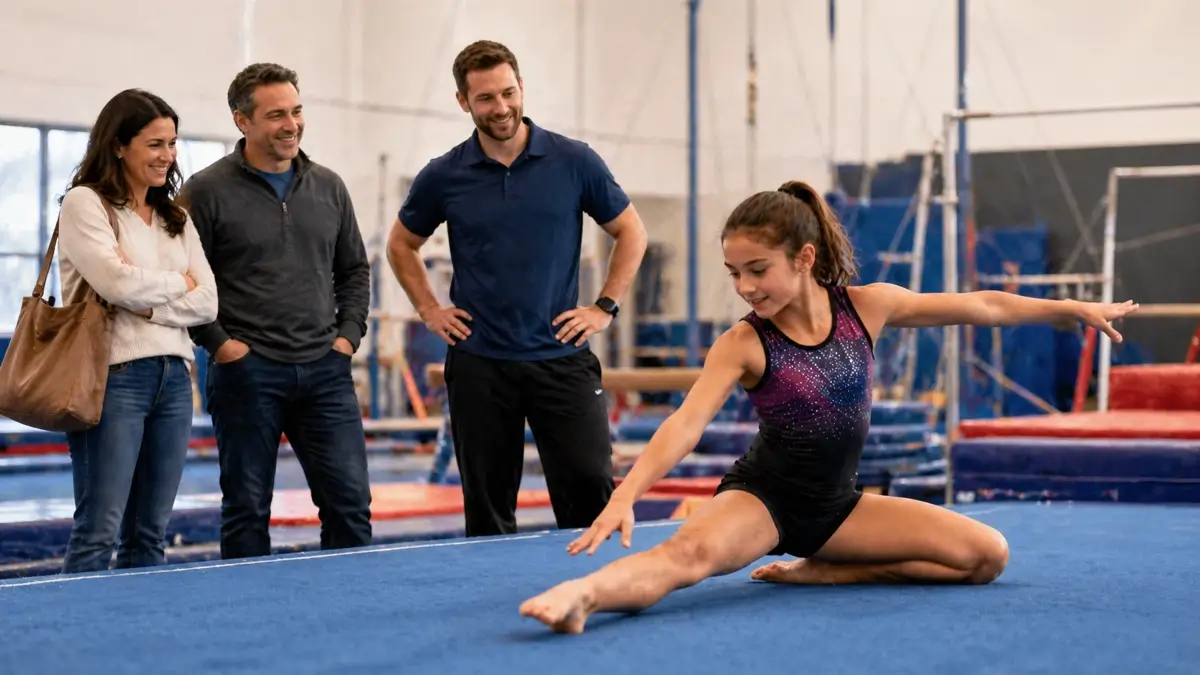
    As a coach, I’ll add one perspective here. Activities that build broad movement skills early on can have a lasting impact. Gymnastics is a strong example, combining structure and freedom while developing coordination, balance, and confidence at a young age.

    That said, it’s not about steering every child into one activity. The bigger point is that early experiences should build a foundation, not force a path.


    Find and compare rowing programs and clubs on the GoPlay platform. Registration is free. Visit: https://app.goplay.ai or click the button below


    Pay Attention to Your Child’s Personality

    Two kids can try the same activity and have completely different experiences. That’s not about the program. It’s about fit.

    Some children thrive in structured, competitive environments. Others need flexibility and low pressure. Some love team settings, while others prefer individual focus. You’ll get better results by matching the activity to your child’s temperament.

    Here are a few patterns to watch for:

    • Children who like routine and rules often do well in structured sports or skill-based programs
    • Kids who get overwhelmed easily may prefer smaller groups or non-competitive settings
    • Social kids often enjoy team sports or group classes
    • Independent kids may gravitate toward individual activities like swimming, martial arts, or music

    You’re not locking them into anything. You’re giving them a better starting point.

    Consider Age and Development Stage

    Age matters, but readiness matters more. In Canada, many programs are organized by age groups, but children develop at different speeds. A six-year-old who is confident and coordinated will have a very different experience than one who is still figuring out basic movement or social interaction. Instead of focusing only on age brackets, think about:

    • Attention span
    • Ability to follow instructions
    • Comfort in group settings
    • Physical coordination

    If a program feels too advanced, it can lead to frustration. If it’s too easy, your child may lose interest. The goal is to find something that stretches them just enough without overwhelming them.

    Avoid Early Specialization Pressure

    It’s easy to feel like your child needs to pick a path early, especially in competitive environments. In reality, most children benefit from trying a range of activities before focusing on one. Early variety builds a wider skill base, reduces burnout, and helps kids discover what they genuinely enjoy.

    Specialization can come later, if and when it makes sense. Early on, exposure matters more than commitment.

    Balance Your Schedule (and Theirs)

    One of the biggest mistakes parents make is overloading the calendar. It usually comes from good intentions. You want your child to try different things. You want to expose them to opportunities. But too many activities can lead to burnout for both of you.

    Instead of stacking activities, think in terms of balance. A healthy mix often includes:

    • One physical activity
    • One creative or cognitive activity
    • Enough unstructured time to just be a kid

    This approach gives your child variety without turning every evening and weekend into a logistical challenge. It also reduces the mental load on you, which is often the hidden cost of too many commitments.

    Try Before You Commit

    Whenever possible, look for trial classes, drop-ins, or short sessions. Kids often don’t know if they like something until they try it. And parents don’t always see how a program actually runs until they’re there in person. 

    A single trial can tell you a lot.

    • Does your child look engaged?
    • Do they seem comfortable with the coach or instructor?
    • Is the environment supportive or overly intense?
    • Does the schedule realistically fit your life?

    This step alone can save you from committing to a full season that doesn’t work.

    Talk to Other Parents (But Filter It)

    Word of mouth is powerful, but it can also be misleading.

    When another parent says, “My kid loved that program,” what they really mean is that it worked for their child, at that time, in their situation. That’s useful information, but it’s not a guarantee it will work for yours.

    Use recommendations as a starting point, not the final decision. Look for patterns across multiple opinions, then evaluate based on your own child’s needs.

    Watch for Early Signals

    You don’t need to wait a full season to know if something is working. Within the first few sessions, you’ll usually see clear signals.

    • Excitement before the activity
    • Willingness to participate
    • Positive talk afterward
    • Gradual improvement or confidence

    On the flip side, consistent resistance, anxiety, or disengagement are signs it may not be the right fit.

    It’s okay to adjust. The goal is not to “stick it out.” The goal is to find something that works.

    Accept That It’s a Process

    There’s no perfect first choice. Most kids will try several activities before they find something they truly connect with. That’s not failure. That’s how they learn what they enjoy. 

    Your role isn’t to get it right immediately. It’s to guide the process. When you take a more intentional approach, each attempt becomes more informed than the last. Over time, you move from guessing to understanding.


    Find and compare rowing programs and clubs on the GoPlay platform. Registration is free. Visit: https://app.goplay.ai or click the button below


    FAQ: Common Questions About Choosing Activities for Kids

    Here are common questions and helpful answers about how to help your child choose an activity.

    What age should my child start organized kids’ activities?

    Many children begin around ages four to six, but there’s no fixed rule. What matters more is readiness. If your child can follow simple instructions, participate in a group, and stay engaged for short periods, they’re likely ready to try something structured.

    How many activities should my child be in at once?

    For most children, one to two activities at a time is enough. This allows them to stay engaged without becoming overwhelmed. It also keeps your schedule manageable, which is just as important.

    What if my child wants to quit an activity?

    It depends on the timing and reason. If they’ve just started, encourage them to give it a few more sessions. If they’ve consistently disliked it over time, it may not be the right fit. The goal is persistence, not forcing something that clearly isn’t working.

    Are team sports better than individual activities?

    Neither is better. They offer different benefits. Team sports build collaboration and social skills, while individual activities often develop focus and independence. A mix over time is usually ideal.

    How do I know if an activity is too competitive?

    Watch how your child responds. If they feel anxious, discouraged, or pressured, the environment may be too intense. Healthy competition should feel motivating, not overwhelming.

    Should I let my child choose their own activities?

    Yes, but with guidance. Children often need help understanding their options. Present a few choices that align with their needs and let them have input. This increases their sense of ownership and engagement. You can browse activities on the GoPlay platform to help them choose.

    What if my child doesn’t seem interested in anything?

    This is more common than parents expect. Start small. Try low-commitment activities or short programs. Sometimes it takes exposure to spark interest. Focus on exploration rather than immediate passion.

    How important is proximity when choosing activities?

    Very important, especially for younger children. Activities that are close to home are easier to attend consistently and reduce stress for the whole family. Convenience often determines whether something lasts.

    Do expensive programs offer better results?

    Not necessarily. Quality varies widely. A well-run, moderately priced program with a great coach can be far more valuable than a high-cost option that isn’t a good fit for your child. You can filter kids sports and activities programs by cost at http://app.goplay.ai.

    How long should my child stick with an activity before switching?

    Give it enough time to get a fair sense, usually several weeks or a full short session. If your child is still disengaged after that, it’s reasonable to try something else.

  • Questions Parents Should Ask Before Registering a Child for Kids Activities

    Choosing a child’s activity is no longer a simple decision. Even if you are experienced at finding programs, comparing options can seem straightforward in theory, but much more difficult in practice.

    There may be multiple sports clubs, dance studios, coding programs, martial arts schools, or specialty camps in your neighbourhood, and many make similar promises about confidence, teamwork, and skill development. You will see phrases such as “encouraging kids to be themselves,” “helping them truly shine,” or “supporting holistic growth.”

    The language is warm, but it is vague. What does it actually mean for a Tuesday evening session? What happens if your daughter does not “shine” right away? What if your son feels unsure instead of confident?

    Before you even start asking providers questions, it helps to narrow your options in a more practical way. One approach is to the a kids activities registration tool we built to help parents explore kids’ activities nearby and compare them side by side. It will not make the decision for you, but it does reduce the noise so you can focus on what actually matters for your child.

    Activities Provider Descriptions Can Be Vague

    Marketing copy often glosses over the operational details that matter most, such as how sessions are structured, how instructors handle upsets, and what participation actually feels like.

    So what questions should parents ask before registering a child for kids activities?

    The answer is less about finding the “best” program and more about understanding how it runs and whether it fits your child’s temperament and needs.

    A practical way to approach the decision is to examine four areas: culture, clarity, safety, and fit.

    Culture: What Will It Feel Like for Your Child?

    Culture is the everyday standard of behaviour in a program. It includes tone, pacing, expectations, and how adults interact with children. It is not defined by a mission statement. It becomes visible in repeated actions: how sessions begin, how instructions are delivered, and how mistakes are handled.

    Your child may spend several hours each week in this setting, so these details matter. Over time, small interactions shape how comfortable they feel participating. How a child is corrected often reveals the culture. Calm, specific feedback helps them understand what to do next. Sharp or inconsistent reactions can make participation feel uncertain, especially for children still building confidence.

    Picture your child missing a wide-open net or knocking over a craft project. Does the instructor reset the moment calmly and with reassurance, or does the room go quiet and tense?

    Research on youth motivation shows that children stay involved when they feel capable and included. That sense of belonging tends to grow from steady, respectful interactions with adults and clear expectations rather than occasional praise or awards.

    During the discovery phase, assess culture through questioning and observation where possible. If a trial session is available, watch how instructors speak to participants and manage transitions. If no trial is offered, ask the provider to describe a typical session in detail.

    Listen for the details that never make it into brochures.

    Consider asking:

    • How do you respond when a child becomes frustrated?
    • What does a typical session look like from start to finish?
    • How do you introduce and reinforce rules?
    • How do you recognize improvement?
    • How do you handle conflict between participants?
    • How are instructors supervised?

    Clarity: Are Expectations Easy to Understand?

    Clarity defines structure. It reflects how clearly a program explains what is expected from participants and families, including grouping, progression, attendance requirements, and communication practices.

    Many mid-season frustrations begin with expectations that were never fully discussed. Parents may expect flexibility when life gets in the way. A program may require consistent attendance. Children may expect equal participation, but that is not always how a program operates.

    This is often the moment in the car when your child says, “I didn’t get my turn,” and you realize something important was missed earlier.

    None of these approaches are wrong on their own, but tension develops when expectations are unclear.

    Strong programs explain their structure in plain language. They outline how children engage, how decisions are made, and how concerns are addressed.

    Before registering, review written materials carefully. Are policies easy to find? Are additional costs outlined? Is progression explained clearly?

    This is also where comparing options side by side becomes useful. Instead of relying on memory or multiple tabs, using the GoPlay platform allows you to look at different programs in one place and spot differences in structure, scheduling, and expectations more easily.

    To better understand clarity, consider asking:

    • How are participants grouped by age or ability?
    • How do children move to the next level?
    • What attendance is expected?
    • Are additional events required?
    • How are participation decisions made?
    • How can parents raise concerns?
    • How often will families receive updates?

    Safety: Physical Protection and Emotional Security

    Safety is often the first concern for parents. You want to know your child will be protected physically and treated with respect.

    In a youth program, safety has two parts. The first is physical protection, including instructor training, supervision ratios, background checks, and emergency procedures. The second is emotional safety, reflected in how adults speak to children, manage discipline, and handle peer conflict.

    Both matter. Children need a stable environment to focus and participate fully. Physical safeguards reduce the risk of injury. Emotional steadiness builds trust. When either is weak, children may withdraw even if they initially enjoy the activity.

    During the research phase, examine how clearly safety policies are communicated. Look for instructor qualifications and screening processes. Check whether supervision ratios suit the age group. Review whether there is a written code of conduct and defined emergency procedures.

    And pay attention to your instinct. If something feels off, it usually is.

    To better understand safety, consider asking:

    • What training or certifications do instructors have?
    • Are background checks required?
    • What is the adult-to-child ratio?
    • What happens in an emergency?
    • How are incidents communicated to parents?
    • How do you address bullying?
    • How are behaviour concerns handled?

    Fit: Is It the Right Match for Your Child and Family?

    Even when culture, clarity, and safety are strong, fit still matters. Fit reflects whether the program aligns with your child’s personality, interests, and stage of development, as well as your family’s schedule and budget.

    Children respond differently to structure and intensity. Some enjoy measurable standards and competition. Others thrive in more exploratory settings. Travel time, weekly hours, and additional commitments also affect sustainability.

    One child may burst through the door talking nonstop about what they learned. Another may quietly decide they are done after two sessions. Both reactions are useful signals.

    Financial fit deserves equal attention. Registration fees are often only part of the cost. Supplies, uniforms, and events can add up quickly.

    Before registering, consider how your child typically responds to challenge and correction. If a trial session is available, observe their energy afterward.

    If you are juggling multiple options or multiple children, this is where planning tools can make a real difference. Using the GoPlay tool, parents can keep track of different activities, compare schedules, and avoid overcommitting before the season even starts.

    To better understand fit, consider asking:

    • What is the full cost beyond registration?
    • How many hours per week are required?
    • Is preparation needed outside sessions?
    • What type of child does well here?
    • Is there flexibility for gradual participation?
    • What is the refund policy?

    Try This Before You Register

    If you want a more practical way to apply everything above, take ten minutes to compare your options in one place before committing.

    Using the GoPlay kids activities platform, you can:

    • explore kids’ activities near you
    • compare programs without jumping between multiple sites
    • keep track of options for one child or several
    • reduce last-minute decisions when registration opens

    It will not replace your judgment, but it will help you make a shorter, more informed list before deadlines hit.

    Bringing It Together

    Choosing a program becomes more manageable when you use a clear framework. Culture shapes daily experience. Clarity sets expectations. Safety protects your child. Fit ensures the commitment works for your household.

    No program will be perfect. The goal is not to eliminate every uncertainty but to reduce it by asking informed questions and evaluating direct answers.

    When expectations are clear, tone is steady, and the commitment aligns with your child’s needs, you can move forward with more confidence.


    Frequently Asked Questions About Registering a Child for Kids Activities

    What if my child wants to quit after the first few weeks?

    This is common. The first few sessions often feel exciting because everything is new. Around week three or four, novelty fades and effort increases. Before withdrawing, ask what is behind the resistance. If the program clearly is not a good fit, it is reasonable to reassess.

    How much structure is too much structure?

    It depends on the child. Some do well with clear goals and measurable progress. Others lose interest when everything feels like a test. You are looking for alignment, not perfection.

    How important is equal participation?

    This depends on the program. Some emphasize equal rotation, while others introduce performance-based decisions early. Clarity before registration is key.

    What if I feel unsure even after asking questions?

    Trust your instinct. Subtle signals such as vague answers or inconsistent policies are worth paying attention to.

    Is it okay to switch programs mid-season?

    If the mismatch is clear and ongoing, it may be the right decision. Before switching, speak with the instructor and your child to confirm the issue.

    How do I know if we are over-scheduling?

    If evenings feel rushed and stress increases, it may be time to simplify. Children benefit from unstructured time as much as structured activity.

    Can I use GoPlay to compare kids’ activities before registering?

    Yes. If you want to compare local options before committing, Access our activties listings (registration is free) to help you review activities for your child in one place instead of relying on scattered websites and group chats. It is especially useful when you are trying to understand schedules, availability, and practical fit before registration deadlines.

  • Activities for Introverted Children: Confidence-Building, Low-Pressure Options for Kids

    Many children take part in extracurricular activities that are well intentioned, age appropriate, and widely recommended, yet still come home feeling overwhelmed, withdrawn, or completely worn out. For some families, this happens again and again, leaving parents wondering whether the activity itself is the issue, or whether the environment and expectations simply don’t match how their child experiences the world. Questions about finding the right activities for introverted children often begin with this kind of uncertainty.

    These concerns are especially familiar to parents of introverted children, and they can also arise for children who are shy, anxious, or neurodivergent. While introversion is a personality trait rather than a neurodevelopmental difference, some neurodivergent children may also prefer quieter, lower-stimulation environments.

    How Introverted Children Experience Activities

    Introverted children often process experiences internally, recharge through quieter forms of engagement, and feel most at ease in environments that are predictable, emotionally supportive, and lower in stimulation. When those needs aren’t met, even well-run programs can feel exhausting rather than enjoyable. Similar challenges can come up when parents are searching for activities for shy children or activities for anxious children, particularly when programs are loud, fast-paced, or socially demanding.

    It’s important to remember that introversion is not a limitation or something that needs to be fixed. It’s a temperament. When activities align with a child’s temperament, children often develop a stronger sense of capability and comfort participating over time. The environments that support introverted children best don’t try to make them more outgoing. They create space for children to engage, explore, and build confidence at a pace that feels safe.

    Introversion, Shyness, and Anxiety

    Parents often notice similar behaviours in children who are introverted, shy, or anxious, such as hesitation in group settings or feeling overwhelmed by busy environments. While these reactions can look alike on the surface, the reasons behind them are often quite different. Because of this, an activity that works well for one child may not be the right fit for another, even when their behaviours appear similar.

    Before choosing activities, it helps to clarify a common source of confusion. Introversion, shyness, and anxiety are often used interchangeably, but they describe distinct experiences.

    Introversion

    Introversion is a personality trait related to how individuals process stimulation. Introverted children typically prefer lower levels of sensory input, smaller groups, and opportunities for deep focus. They may enjoy social interaction, but usually in measured amounts and with familiar people.

    Shyness

    Shyness refers to discomfort or hesitation in unfamiliar social situations, particularly when a child feels observed or evaluated. A shy child may take longer to warm up, but often becomes more socially engaged once they feel safe and familiar with the environment.

    Anxiety

    Anxiety involves heightened worry or fear that persists across situations and begins to interfere with a child’s daily functioning, relationships, or participation in activities. It can interfere with daily functioning, relationships, and participation across settings. While some introverted children experience anxiety, introversion itself is not something that needs to be corrected. When anxiety is suspected, consulting a qualified mental health professional can help determine whether additional assessment or support may be appropriate.

    Understanding these distinctions matters because activity choices that don’t align with a child’s needs can unintentionally undermine confidence rather than support it. When parents are clear about why a setting feels difficult for their child, it becomes easier to make choices that build confidence over time.

    While this guide focuses on introverted children, some of the general principles around pacing, environment, and emotional safety may also be helpful when thinking about activities for shy or anxious children. Individual needs, however, can vary widely.

    The Science of Temperament and Introversion

    Research in developmental psychology has long shown that temperament is biologically influenced and relatively stable across the lifespan. Introversion is associated with differences in how the nervous system responds to stimulation. Introverted individuals tend to reach optimal arousal levels faster. In plain language, this means busy, noisy, or unpredictable environments can become overwhelming sooner, even when the activity itself is enjoyable.

    In children, this can present as fatigue, withdrawal, irritability, or resistance following activities that require sustained social engagement or frequent transitions. These responses are not signs of poor coping or low resilience. They reflect a nervous system responding as expected for that temperament.

    Studies consistently show that children thrive when caregivers adapt expectations and environments to fit the child, rather than attempting to reshape personality traits. 

    Introverted children often demonstrate strong concentration, emotional awareness, creativity, and independent problem-solving when placed in environments that respect their need for predictability and manageable stimulation.

    The goal is not to change who children are, but to help them feel confident and capable in environments that respect how they naturally think, feel, and engage.

    What Makes an Activity Introvert-Friendly

    Rather than focusing only on specific programs, it is often more helpful to understand the characteristics that tend to support introverted children who thrive in lower stimulation environments across settings.

    Introvert-friendly activities are usually predictable, calm, and structured in a way that allows children to participate at their own pace.

    They prioritize individual focus or small-group participation rather than large, chaotic environments. Social interaction is optional or purpose driven, not forced. Sensory input, including noise, lighting, and crowding, is manageable. Progress is measured through skill development rather than public performance.

    When selecting activities for introverted children, focusing on environmental fit is often more useful than prioritizing intensity, popularity, or competition.

    These kinds of low-pressure activities often feel more manageable for introverted, shy, or easily overwhelmed children.

    Best Activities for Introverted Children

    The activities below tend to work well for introverted children, offering ways to learn, grow, and build confidence without overwhelming them.


    You can filter for kids’ activities on the GoPlay platform making it easy to find activities for your child. Registration is free. Visit https://app.goplay.com


    Library Programs and Reading-Based Activities

    Libraries provide calm, predictable environments where children can participate independently or alongside others without pressure. Many libraries offer story times, book clubs, craft sessions, and building programs that encourage quiet engagement.

    Reading supports empathy, focus, and emotional insight, qualities often associated with introverted strengths.

    Art Classes and Creative Workshops

    Drawing, painting, pottery, and crafting allow children to express themselves without verbal or social pressure. Small art classes tend to emphasize process rather than outcome, supporting deep focus and self-directed creativity.

    Creative expression has been linked to emotional regulation and self-esteem in children. 

    Music Lessons

    Individual or small-group music lessons reward patience, repetition, and internal focus. Progress is measurable and motivating, without reliance on constant group interaction.

    Music education is associated with improved emotional awareness and cognitive development.

    Swimming and Individual Sports

    Swimming, skating, climbing, and track allow children to focus on personal progress rather than team dynamics. Swimming lessons often follow consistent routines and limit group size.

    These activities provide physical benefits without high social demand.

    Martial Arts With Traditional Structure

    Martial arts programs that emphasize respect, routine, and skill development can feel reassuring for introverted children. Classes are typically predictable and clearly structured.

    When taught in a non-competitive, developmentally appropriate environment, martial arts can support emotional regulation and confidence development.

    Nature-Based Activities

    Gardening programs, hiking clubs, and outdoor education experiences reduce sensory overload while encouraging curiosity. Time in nature can also help reduce stress and improve well-being in children.

    STEM and Building Activities

    Robotics clubs, LEGO programs, science workshops, and coding classes give children a chance to connect while working on something together, rather than having to make small talk. These kinds of activities often suit kids who enjoy focusing, thinking things through, and being creative.

    Drama and Theatre Behind the Scenes

    Being on stage can feel like a lot for some children, but many introverted kids enjoy helping behind the scenes with things like set design, costumes, or lighting. These roles still offer a sense of teamwork, without the pressure of being in the spotlight.

    Yoga and Mindfulness for Children

    Yoga and mindfulness programs help children notice how their bodies feel, slow their breathing, and calm themselves when things feel like too much. This can be especially helpful for kids who get overwhelmed by noise, crowds, or busy environments.

    Animal-Assisted and Care-Based Activities

    Activities that involve animals, such as horseback riding or helping care for animals, often feel calming and predictable for children. Animals don’t judge or rush, and many kids find it easier to relax, connect, and build confidence around them.

    Activities to Approach Carefully

    Some activities aren’t a bad fit for introverted children, but they often work best when they’re introduced slowly and with a bit of flexibility. Big team sports, loud drop-in play spaces, or performance-focused programs can feel like a lot at first, especially if there’s pressure to jump right in.

    When families do choose these kinds of activities, things tend to go more smoothly when children can start gradually, join smaller groups, and have a say in how and when they participate.

    How to Choose the Right Activity for Your Child

    When an activity is a good fit, children often come home feeling settled, engaged, and quietly pleased with themselves, rather than worn out or shut down. Paying attention to how your child seems afterward can be just as helpful as noticing what happens during the activity. Open-ended questions about how it felt can offer more insight than focusing on performance or whether they socialized.

    Starting with a lighter commitment can also help. Once-a-week programs are often easier to manage than daily activities, especially for younger children. Many introverted kids benefit from having time to watch and get a feel for a new setting before joining in, so they know what to expect.

    If a child regularly resists leaving the house or seems emotionally drained afterward, it can sometimes be a sign that the activity isn’t quite the right match right now. On the other hand, when an activity fits well, parents often notice quiet enthusiasm and a growing sense of pride in their child’s own progress.

    Questions to Ask an Activity Provider

    Before enrolling an introverted child in an activity, it can be helpful to ask a few thoughtful questions about how the program is run. These conversations often give parents a clearer sense of whether a setting is likely to feel supportive and manageable for their child.

    Helpful questions to ask include:

    • How large is the typical group size, and does it change from week to week?
    • Are children allowed to observe before participating, especially during the first few classes?
    • How structured is each session, and do routines stay fairly consistent?
    • How do instructors support children who take longer to warm up or prefer quieter participation?
    • What are the usual noise levels during the activity?
    • Are children expected to perform or participate in front of the group?
    • How do instructors share progress or concerns with parents?

    Programs that can answer these questions clearly and comfortably often have experience supporting different participation styles and are more attentive to emotional safety alongside skill development.


    This article is provided for general informational purposes only. It is not intended to offer psychological assessment, diagnosis, or treatment, nor to replace individualized care from a qualified mental health professional.

  • How to Choose a Youth Sports Program, Beyond Winning

    You and your child have chosen a sport for the upcoming season. Maybe it’s soccer, or hockey. Perhaps a new activity they’ve been curious about. Now you need to decide between activity providers.

    If you’re wondering how to choose a youth sports program, it can feel straightforward at first. If the schedules work and the location and fees are reasonable, then it might seem like an easy choice between providers. 

    However there is one final question to ask.  At some point in the season, your child will make a mistake on the field or on the ice. They’ll miss a pass, fall behind in a drill, or miss a shot on goal. Then they’ll look toward the bench.

    What happens next will tell you far more about a kids sports program than last year’s standings ever could.


    Find and compare rowing programs and clubs on the GoPlay platform. Registration is free. Visit: https://app.goplay.ai or click the button below


    So ask yourself and your child: What matters more: winning or fun?

    Sometimes to a junior athlete, winning is important. More often than not, however, it is the experience that matters. Will it be fun and fulfilling? Ask your child. Most will want the latter or a balance between the two.

    If you’ve ever worked on a corporate team, you’ve seen this dynamic play out. In any company, the department head sets the tone. Some leaders create high-pressure environments where results come first. Others build a culture where expectations are clear, feedback is direct and people feel supported enough to improve. In those environments, performance rises because people are not afraid to try.

    Youth sports are not dissimilar. The coach sets the culture because they decide what effort looks like, what is praised and how mistakes are handled. They determine whether players feel safe enough to take risks or start playing cautiously to avoid criticism.

    U.S. psychologist Carole Ames, whose research on achievement goals is widely cited in youth sport studies, found that children are more likely to stay engaged when effort and improvement are emphasized over constant comparison. When progress is what gets noticed, enjoyment tends to follow.

    So, when you’re choosing a youth sports program, a good rule of thumb is start with the coach to get a feel for the team dynamic and how the season might unfold. 

    Evaluate the Coach Before Registering

    If possible, have a direct conversation with the program director or coach before committing to a kids sports program. Ask them what they focus on with your child’s age group. What does a successful season look like? Check in on how they will handle player mistakes during practices and games. And, ask how they  support players who are still developing.

    A development-first youth sports coach usually talks about skill progression, teamwork, effort and confidence. A win-first coach often leads with competition, standings and outcomes. You are not deciding which philosophy is right in general, but more so which sports environment fits your child.

    Psychologists Edward Deci and Richard Ryan, whose research on motivation is widely used in sport and education, found that people are more likely to stay engaged in challenging activities when they feel capable and supported rather than controlled. In youth sports, that translates into clear instruction, steady encouragement, and room to improve. Pressure might create urgency in the moment, but support builds staying power.

    If your child is more prone to anxiety, ask the program how coaches respond when a child gets stuck, feels overwhelmed, or needs a calm, confident adult to help them through it. It is completely normal for parents to worry about this, especially in a new environment. A good coach sees each child as an individual with their own temperament and needs, and knows how to meet them where they are while helping them grow over time.

    If you can, watch a practice before registering your child for a sports team. You can also ask another parent about the program if they have had a child in it during a previous season.

    If you can attend a session ahead of time, pay attention to whether coaching instructions are clear and brief. Watch how the coach speaks to the strongest player and the most hesitant one. You want to assess the playing environment and the coaching staff’s style, tone, and ability to handle different temperaments and skill levels.

    What a Strong Youth Sports Practice Looks Like

    For younger athletes, a quality youth sports program should be active and organized. Children should be active and on the playing surface and not on the side lines waiting for their turn, at least not excessively. Coaches should be circulating and giving helpful and constructive feedback. 

    If a practice feels chaotic, so will the season. Rigid or tense drills will erode enthusiasm among the kids over time. That is not to say intensity should be avoided. A balance is always what you want to see. When choosing a sports program, look for structure with energy and clear expectations without constant pressure.

    The “fun factor” is supported by science. The Aspen Institute’s State of Play research consistently reports that when young athletes say sport “isn’t fun anymore,” they are far more likely to quit. Enjoyment is one of the strongest predictors of whether children continue playing youth sports.

    Playing Time, Development and Long-Term Growth

    Playing time is one of the most common sources of frustration in youth sports, and it is preventable with clear communication. As such, ask how playing time works at your child’s age. Many recreational youth sports programs provide equal or near-equal time, while competitive programs may not. 

    A program that rotates positions and gives broad exposure supports long-term athletic development. This is especially important if your child is still building confidence. Development requires participation, not just attendance.

    Signs of a Healthy Youth Sports Culture

    When selecting a youth sports program, culture matters as much as coaching credentials.

    Watch how teammates respond when someone makes a mistake. Do they encourage one another? Does the coach model respect toward referees and opponents? Are quieter players included? All these things matter and contribute to a great playing experience for your child.

    Within one or two sessions, you can usually tell whether kids feel comfortable or cautious. Coaches who correct mistakes without humiliation and challenge players without creating fear tend to build stronger, more confident athletes.

    Practical Factors When Choosing a Youth Sports Program

    Beyond coaching style and culture, review program logistics carefully. Confirm total costs, including uniforms, tournaments and additional fees. Understand travel expectations. Ask how communication works and how schedule changes are handled. Strong youth sports programs communicate clearly and consistently.

    Also consider safety. Coaches should be able to explain injury protocols, including concussion procedures. You should feel comfortable asking direct questions. Clear answers from staff will allay your concerns and put you at ease.

    Quick Checklist: How to Choose the Right Youth Sports Program

    Before committing, look for these markers:

    • The coach clearly explains their approach for your child’s age group
    • Practices are active, organized and age-appropriate
    • Playing time policies are transparent
    • Total costs are clearly outlined
    • Safety procedures are communicated and understood
    • Communication with parents is consistent and structured
    • Your child feels comfortable and engaged after early sessions

    Choosing a youth sports program is not about finding perfection. It’s about finding alignment between the program’s culture and your child’s needs. 


    Find and compare rowing programs and clubs on the GoPlay platform. Registration is free. Visit: https://app.goplay.ai or click the button below


    Frequently Asked Questions

    This FAQ will help you better understand the answers to choosing the most common youth sports programs.

    How do I know if a youth sports program is the right fit for my child?

    The best indicator is how your child feels after practices and games. If they come home talking about what they learned, who they worked with and what they want to improve next time, that is a positive sign. If they seem consistently anxious, withdrawn or worried about making mistakes, the environment may not be the right fit. Comfort and steady growth matter more than wins.

    Is it better to choose a competitive program or a recreational one?

    That depends on your child’s personality and goals. Recreational programs often emphasize participation, equal playing time and skill development. Competitive programs may prioritize performance and standings. Neither approach is inherently better. The key is alignment between the program’s expectations and your child’s interest level and confidence.

    How important is the coach’s personality?

    Very important. Coaches shape the tone of the season. A coach who communicates clearly, stays calm under pressure and treats players with respect creates a stable environment. Children are more likely to stay engaged when they feel encouraged and supported rather than criticized or compared.

    Should I be concerned if my child is not getting much playing time?

    It is reasonable to ask questions about playing-time policy. At younger ages, equal or near-equal playing time is common. As competition levels increase, playing time may reflect performance. Clear communication is essential. If expectations were explained in advance, frustration can usually be avoided.

    What role does fun really play in development?

    Enjoyment is closely tied to long-term participation. Research from the Aspen Institute’s State of Play initiative has found that when children report that sports are no longer fun, dropout rates increase significantly. A positive experience supports skill development, confidence and resilience.

    Is it a problem if my child wants to quit mid-season?

    Start by asking them why they want to quit the team. Give them room to speak honestly without interrupting or dismissing their concerns. They may feel overwhelmed by expectations, socially uncomfortable with teammates, frustrated about playing time or simply tired from balancing school and activities. Sometimes the issue is temporary and tied to a single tough practice or game. Small adjustments can help. A conversation with the coach, clearer expectations or a short reset may resolve the problem. If the program truly is not a good fit after those efforts, it may be reasonable to reconsider participation and withdraw respectfully.

    How much should safety influence my decision?

    Safety should be non-negotiable. Coaches should understand basic injury protocols, including concussion procedures, and communicate them clearly. Organized warm-ups and attentive supervision are signs of a well-run program.