
At first, youth sports usually seem manageable financially.
A registration fee here. A pair of shoes there. Maybe a weekend tournament once in a while.
Then things escalate.
The local team becomes a travel team. Practices multiply. Private coaching enters the picture. Hotels become normal. Equipment suddenly needs annual replacement. Before long, some Canadian families realize they are spending amounts on youth sports that rival vacations, car payments, or even private school tuition.
For many parents, the challenge is not simply the total cost. It is how gradually the costs build. Few families begin a sport expecting to spend $10,000 or more annually within a few years.
(Note all prices in this post are in Canadian dollars.)
The reality is that youth sports in Canada now vary enormously in price depending on:
- the sport itself
- the athlete’s level
- travel requirements
- coaching culture
- whether the sport has become year-round
A child playing community soccer twice a week lives in a completely different financial universe than a teenager competing nationally in gymnastics or AAA hockey.
Here is a realistic breakdown of where the money actually goes.
Why Youth Sports Costs Vary So Much
One reason parents struggle to estimate sports costs is because registration fees rarely tell the whole story.
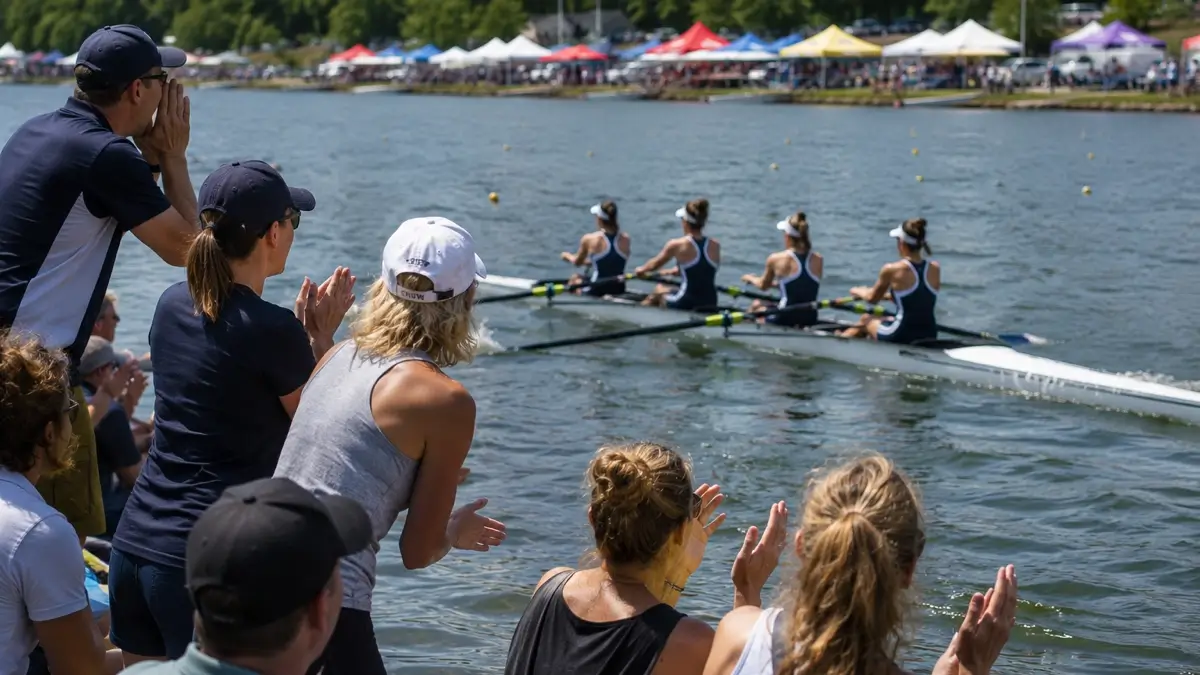
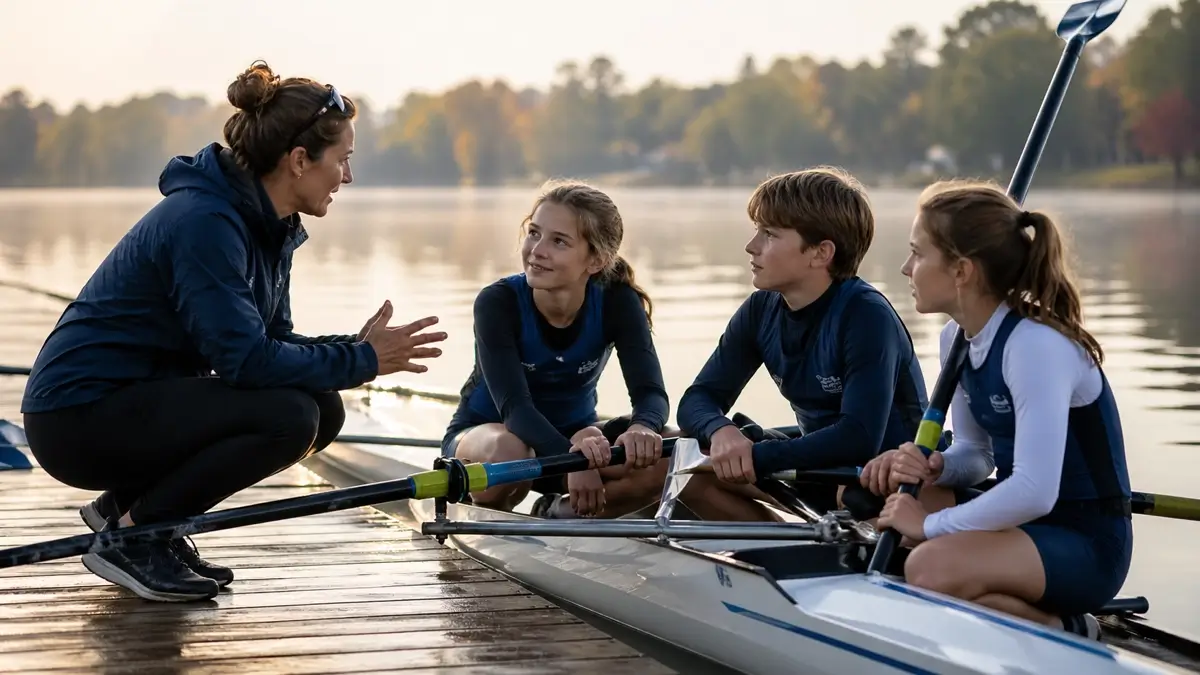
Some sports are equipment-heavy. Hockey, for example, requires continual replacement of skates, sticks, helmets, and pads as kids grow. Other sports distribute costs differently. Rowing families may not buy much personal equipment, but they spend heavily on coaching, regatta travel, and club infrastructure.
Then there is the issue of competitiveness.
Many sports remain relatively affordable at the recreational level but become dramatically more expensive once athletes move into travel or elite streams. A child playing local house league baseball may cost a few hundred dollars annually. A teenager traveling across provinces for showcase tournaments could cost several thousand.
The rise of private coaching has also changed youth sports economics. Skills trainers, conditioning coaches, private lessons, video analysis, and specialized camps are now common in sports that once relied almost entirely on team practices.
For some families, sports become less like “activities” and more like year-round performance systems.
Ranked: The Most Expensive Youth Sports in Canada
The table below reflects realistic competitive-level annual costs for Canadian families.
| Rank | Sport (links to detailed sport cost) | Estimated Competitive Annual Cost (CAD$) | Main Cost Drivers |
|---|---|---|---|
| 1 | Equestrian | $10,000–$30,000+ | Horse ownership, boarding, travel |
| 2 | AAA Hockey | $8,000–$20,000+ | Ice time, equipment, tournaments |
| 3 | Gymnastics | $6,000–$15,000 | Coaching hours, travel, training |
| 4 | Rowing | $5,000–$15,000 | Coaching, regattas, travel |
| 5 | Figure Skating | $5,000–$12,000 | Ice time, coaching, costumes |
| 6 | Competitive Dance | $4,000–$12,000 | Choreography, travel, costumes |
| 7 | Swimming | $3,000–$8,000 | Coaching, meets, travel |
| 8 | Lacrosse | $3,000–$8,000 | Equipment, tournaments |
| 9 | Volleyball | $2,000–$6,000 | Club fees, travel |
| 10 | Soccer | $1,500–$5,000 | Travel teams, tournaments |
These numbers can vary widely by province, club, and competition level, but they provide a realistic national snapshot of where families often land financially.
Hockey Still Dominates Canadian Sports Spending
For many Canadian households, hockey remains the benchmark for expensive youth sports.
At the recreational level, families may spend a few thousand dollars annually once equipment and registration are included. But costs climb rapidly once players enter AAA or travel programs. Tournament weekends often involve hotels, restaurants, gas, and long-distance travel. Private skills coaching has also become increasingly normalized, especially in larger cities.
Equipment replacement never really stops either. Teenagers grow quickly, and hockey gear is expensive. A single elite-level stick can cost hundreds of dollars.
Some hockey parents quietly admit that the sport eventually shapes household budgets and family schedules year-round.
And yet many still feel the culture, friendships, discipline, and opportunities justify the expense.
You can search prices of hockey programs on the GoPlay.ai platform
Equestrian Sports Operate in Their Own Financial Category
Most expensive sports discussions eventually arrive at horseback riding.
Once horse ownership enters the picture, costs can become extraordinary. Boarding fees, veterinary care, equipment, transportation, competition fees, and coaching all stack together quickly. Some competitive equestrian families spend more annually than many Canadians spend on vehicles.
What makes equestrian sports unique is that the “equipment” is alive. Costs do not pause when competition season ends.
For that reason, horseback riding sits in a category financially above almost every other mainstream youth sport.
Note: Equestrian programs are not currently offered in GoPlay.ai’s coverage areas currently. However you can still search prices of alternative sports programs on the GoPlay.ai platform.
Gymnastics and Figure Skating Quietly Become Very Expensive
Gymnastics and figure skating often surprise parents because they may appear relatively manageable during the early years.
Then training hours increase.
Elite gymnasts and figure skaters may train 20 or more hours weekly while also attending competitions, private lessons, conditioning sessions, and choreography work. Figure skating also combines expensive coaching with constant ice rental fees and costume expenses.
The physical demands of these sports can also lead families toward physiotherapy, massage therapy, and recovery programs earlier than expected.
Unlike hockey, where the financial escalation is widely understood culturally, gymnastics and skating often catch families off guard.
Search prices of gymnastics programs on the GoPlay.ai platform
Rowing Has Different Costs Than Most Sports
Rowing distributes costs differently than many other youth sports.
Families are usually not replacing major personal equipment every season the way hockey parents often do. Instead, most of the financial burden goes toward coaching, club infrastructure, travel, strength and conditioning programs, and the operational costs required to maintain boats, docks, trailers, and waterfront facilities.
For competitive rowers, regattas become one of the biggest financial pressures. Travel weekends can quickly become expensive once hotels and transportation are involved.
Still, many rowing families feel the sport offers exceptional long-term value because of its strong university recruitment pathways and highly disciplined culture.
- See our detailed article on youth rowing costs.
- Search price of rowing programs on the GoPlay.ai platform
Dance Can Rival Traditional Sports Financially
Parents outside the dance world are often shocked when they hear what competitive dance can cost.
Tuition, choreography, costumes, convention fees, makeup, travel, hotel stays, and competition entry fees can easily push annual costs into the five figures for highly competitive dancers.
Dance also tends to involve multiple smaller expenses that accumulate steadily throughout the year rather than arriving in one large registration invoice.
Many dance parents describe the financial experience as “death by a thousand cuts.”
Search prices of dance programs on the GoPlay.ai platform
Sports That Look Affordable at First
Some sports maintain a reputation for being inexpensive even though competitive streams can become surprisingly costly.
Soccer is a good example.
Community soccer can remain one of the most affordable organized sports in Canada. But once athletes move into academy systems, showcase tournaments, travel teams, and winter indoor leagues, costs rise substantially.
Swimming follows a similar pattern. Recreational swim programs are relatively affordable, but competitive swimmers may train year-round, travel frequently, and require substantial coaching support.
The lesson for parents is simple: the recreational version of a sport may have little resemblance financially to the elite pathway.
The Hidden Costs Parents Often Forget
One thing experienced sports parents consistently mention is that registration fees are only part of the story.
The hidden costs are often what eventually overwhelm families.
Travel sports increase gas spending dramatically. Hotel stays become routine. Grocery bills rise because teen athletes eat constantly. Parents may lose workdays attending tournaments or competitions. Siblings spend weekends sitting in arenas or gyms.
Some families eventually add:
- physiotherapy
- massage therapy
- strength coaching
- nutrition support
- sports psychology
- private trainers
None of those expenses appear on the original registration form and yet they become normal in many competitive environments.
Some Sports Still Remain Relatively Affordable
Not every youth sport requires massive spending.
Track and field, cross-country running, community basketball, and many martial arts programs can remain comparatively affordable even at competitive levels. These sports often require less travel, less specialized equipment, and fewer infrastructure costs.
That does not mean they are “less serious” sports. In many cases, they simply evolved differently culturally and financially.
Parents looking for lower-cost athletic options often find these sports provide excellent fitness, social development, and competition opportunities without overwhelming household budgets.
How Costs Escalate by Age
One consistent pattern across almost every sport is that costs rise dramatically during the teen years.
| Age Group | Recreational Average* | Competitive Average* |
|---|---|---|
| 5–8 | $300–$1,500 | $1,500–$4,000 |
| 9–12 | $500–$2,500 | $3,000–$7,000 |
| 13–18 | $1,000–$4,000 | $5,000–$20,000+ |
The jump usually happens when:
- travel increases
- private coaching appears
- year-round training begins
- competition becomes more serious
For many parents, the biggest financial shock arrives around ages 13 to 15.
Is the Cost Worth It?
That depends entirely on the child, the family, and the environment surrounding the sport.
Many parents feel youth sports provide enormous value beyond athletics alone. Kids develop resilience, discipline, social confidence, teamwork, and time management. Some sports also create scholarship opportunities or long-term pathways into university athletics.
But there is also growing concern across Canada that organized youth sports are becoming financially inaccessible for many families.
The healthiest approach for most parents is probably realism. Understanding the potential long-term costs early allows families to make informed decisions before sports become financially overwhelming.
Because for many households, the issue is not whether sports are valuable. It is whether the system surrounding them has become sustainable.
Find programs and gyms that help your young athlete be their best at their sport on the GoPlay platform. Free to browse, no account needed. Visit: https://app.goplay.ai or click the button below
FAQ: Cost of youth sports in Canada
Here are common questions about common yout sports costs in Canada.
Equestrian sports are generally considered the most expensive youth sport in Canada because of horse ownership, boarding fees, travel, coaching, veterinary care, and competition expenses. Annual costs for competitive riders can easily exceed CAD$30,000 depending on the level and number of horses involved.
You can start searching for free at app.goplay.ai/discover?src=youth-sports-cost-post. On the platform you can search for programs and see current pricing in the Toronto area by searching for the sport and looking at provider pricing of current programs.
Absolutely. AAA hockey can cost families well over CAD$15,000 annually once tournaments, hotels, travel, equipment replacement, spring hockey, and private coaching are included. Even lower competitive levels can still place significant pressure on household budgets.
Track and field, cross-country, recreational basketball, and some martial arts programs often remain among the more affordable organized sports in Canada. These sports generally require less travel and less specialized equipment than hockey, gymnastics, or rowing.
Much of the increase comes from year-round training culture, travel competition, private coaching, specialized camps, and rising facility costs. Many sports that were once seasonal and community-based now operate more like high-performance development systems, especially in larger urban centres.
Usually not, although competitive rowing can still become extremely expensive. Hockey families often spend more on equipment replacement and tournament travel, while rowing families tend to spend more on coaching, regattas, and training infrastructure.
Travel is one of the biggest surprises. Hotels, gas, restaurant meals, tournament fees, and time away from work add up quickly. Many parents also underestimate grocery bills, physiotherapy costs, and the growing expectation for private coaching or specialized training.
Almost all of them do. Even sports that begin affordably, like soccer or swimming, can become financially demanding once athletes enter travel teams, academy systems, or year-round training programs.
In some sports and regions, yes. Private coaching has become increasingly normalized, particularly in hockey, soccer, baseball, skating, gymnastics, and swimming. Many families feel pressure to supplement team practices with additional development opportunities.
Rowing, hockey, swimming, soccer, and basketball all offer strong university recruitment pathways, especially for highly competitive athletes. Rowing is often considered one of the stronger scholarship sports for Canadian athletes pursuing opportunities in the United States.
Yes, particularly by staying in recreational or local club streams, limiting travel commitments, buying used equipment, and avoiding pressure to specialize too early. Many families also choose sports with lower infrastructure and travel costs to help keep participation sustainable.