How Much Does Youth Rowing Cost in Canada?

  • How Much Does Youth Rowing Cost in Canada?

    For families, there is usually a moment when rowing stops feeling like “just another extracurricular.”

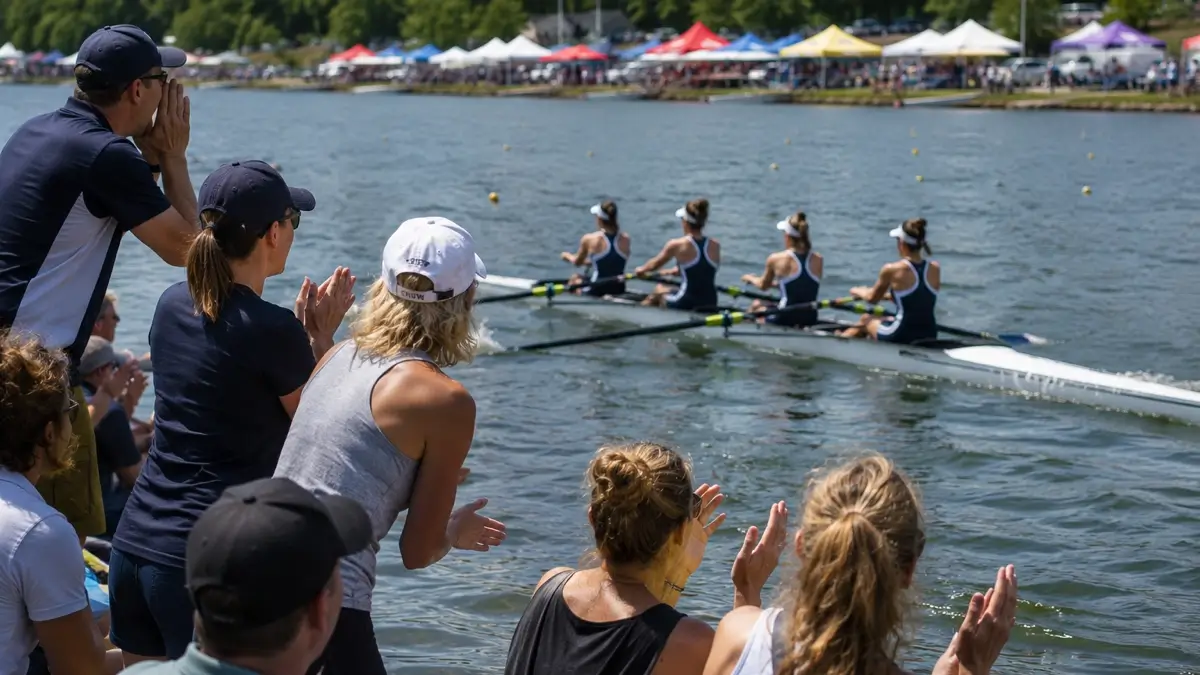
    It can happen during the first 5:30 a.m. practice. Or perhaps at the first regatta weekend that somehow costs more than a small vacation. And for many parents, it is when they realize their teenager has willingly chosen to spend hours pushing through freezing rain on a river or lake before the first bell rings at school.

    Youth rowing has a reputation for producing disciplined, resilient athletes, but it is also a sport that requires a resilient family budget.

    At the beginner level (most kids start rowing either in their tweens to early teens), rowing can actually look fairly reasonable compared to many organized sports in Canada. A local learn-to-row program may cost less than competitive gymnastics or travel hockey. But once athletes move into serious club rowing, costs rise steadily. Coaching fees increase, travel schedules expand, winter training becomes year-round, and families suddenly discover that rowing is not simply a summer sport at all.

    By the later teen years, competitive rowing can cost Canadian families anywhere from CAD$5,000 to well over CAD$15,000 annually depending on the athlete’s level and travel schedule.

    That may sound shocking initially. Yet many rowing parents will tell you the sport still feels comparatively manageable next to elite hockey, equestrian competition, or high-performance dance. The actual reality sits somewhere in the middle.


    Find and compare rowing programs and clubs on the GoPlay platform. Registration is free. Visit: https://app.goplay.ai or click the button below


    Why Rowing Can Be Expensive

    One reason rowing catches parents off guard financially is that much of the expense is invisible at first.

    Unlike hockey, where you can physically see the cost piling up in skates, helmets, pads, and sticks, rowing’s costs accumulate from club infrastructure and training systems. Families are not usually buying boats themselves, at least not initially. Instead, they are paying for access to a very specialized environment.

    Rowing clubs maintain expensive waterfront property, docks, trailers, coaching launches, storage facilities, safety equipment, and fleets of shells that can cost tens of thousands of dollars each. Then there is maintenance. Boats need repairs. Oars break. Equipment wears down. Insurance costs are significant. Transportation logistics for regattas are complex.

    None of this is obvious when a child first signs up for a beginner session on a calm lake in July.

    Beginner Rowing Is Often More Affordable Than Parents Expect

    The good news is that introductory rowing programs are usually designed to remain accessible.

    Most Canadian clubs want beginners to try the sport without requiring a wallet-shaking financial commitment immediately. Younger athletes generally use shared equipment, travel minimally, and train only a few times per week.

    For a child around ages 10 to 13, annual costs often fall between CAD$1,200 and CAD$2,500 depending on the club and region.

    That total usually includes: Club membership and beginner coaching. There’s also shared boat access, team apparel and basic athletic clothing, as well as local regattas.

    You can find rowing programs for beginners on the GoPlay platform.

    Compared to other youth sports, that can actually seem fairly reasonable. Many Ontario parents spend similar amounts on: hockey and baseball. Martial arts, dance and competitive swimming are in the same price bracket.

    In the early years, rowing may still feel like “a good activity” rather than a lifestyle, but that changes once teenagers become competitive.

    Competitive Rowing: Year-Round Commitment

    By the mid-teen years, rowing can evolve into something much more demanding than many families initially imagined.

    Practices usually move to early mornings before school. Weekend regattas become commonplace on the family calendar. Winter conditioning fills evening time and strength training enters the schedule. Coaches begin discussing erg scores, recruitment pathways, and long-term development.

    Parents suddenly realize the sport does not really stop. In many ways it becomes a lifestyle if you have a teen in competitive tiers of the sport.

    Competitive rowing in Canada is effectively year-round despite weather limitations. Indoor training becomes essential during cold months, particularly for athletes pursuing university recruitment or high-level competition.

    This is also where costs begin climbing sharply. Club and coaching fees alone can range from roughly CAD$2,500 to CAD$6,000 annually for serious programs. Then travel changes everything financially.

    Regatta Travel Is Where Many Families Feel the Real Financial Pressure

    If you ask experienced rowing parents where the money really goes, many point to regattas. A weekend competition sounds like a fun distraction, a road trip to a nearby city. Yet, if you factor in hotels, meals and gas, then have the added costs for trailer transportation, occasional flights and competitive apparel, the costs tally starts to climb.

    Regatta destinations include Ottawa, Kingston and Montreal. Or if you are coming out of Toronto, westbound trips to St. Catharines and London are common. Elite crews sometimes compete in the United States as well, particularly in Boston or Philadelphia. 

    A single regatta weekend can amount to hundreds or even thousands of dollars depending on distance and accommodations.

    What surprises some parents most is how frequent these events become once athletes enter competitive streams. Travel is no longer occasional. It becomes built into the rhythm of family life. Some families begin scheduling vacations around regatta calendars because there is little room left elsewhere.

    Winter Training Adds Another Layer of Expense

    Canadian winters force rowers indoors, but training intensity continues.

    This is when ergometers, strength programs, gym memberships, physiotherapy, and conditioning programs become central parts of development. Many serious teen athletes eventually convince their families to buy a home rowing machine.

    The industry standard, the Concept2 RowErg, generally costs between CAD$1,500 and CAD$2,200 in Canada. Parents often hesitate initially because the machine looks enormous and expensive. Then they realize their teenager is training on it six days a week and suddenly it starts feeling less optional.

    Some families never purchase one and continue using club equipment, while others quickly conclude that driving constantly to indoor training sessions is even less practical.

    The hidden reality of rowing is that it gradually expands into the household itself.

    Rowing Compared to Other Pricey Youth Sports

    Parents trying to evaluate rowing financially often ask the same question: How does rowing compare to other competitive sports? The short answer is: More expensive.

    If you are a parent with a child in elite hockey, figure skating, or equestrian competition, then it may actually feel moderate.

    AAA hockey families in Canada regularly spend well beyond CAD$15,000 annually once tournaments, hotels, equipment replacement, private coaching, and travel are included. Competitive gymnastics and dance can also become financially intense because of choreography fees, costumes, travel, and extensive training hours.

    Rowing distributes costs differently. Families are usually not replacing major personal equipment every season. Instead, the money flows into coaching, infrastructure and travel, as well as strength training and club operations.

    Some parents actually prefer that structure because expenses feel more predictable. They are not suddenly buying another CAD$400 hockey stick halfway through the season because one snapped during practice.

    Still, competitive rowing does belong in the “high-cost youth sport” category once athletes become serious.

    Costs Parents Do Not Always Think About Initially

    There are also secondary expenses that rarely appear on registration forms. We are talking about the fridge and pantry here. Teen rowers eat constantly. Grocery bills can grow  dramatically during heavy training periods. 

    From a health perspective, physiotherapy or massage therapy is needed to help athletes manage recovery. And then there is the time. Parents sometimes take unpaid time off work for regattas or long travel weekends.

    Then there is simply the mental load. A teenager training before sunrise affects the whole household schedule. Sleep routines change. Transportation logistics become more complicated. Siblings spend weekends at regatta sites. Entire family calendars begin revolving around training cycles.

    For some households, this becomes exhausting. For others, it becomes part of the family’s identity.

    Why So Many Families See Rowing as Worth it

    Despite all of this, rowing continues to attract highly committed families across Canada because the sport develops qualities many parents value deeply.

    Rowing rewards consistency more than flashiness. Athletes learn discipline, endurance, resilience, and teamwork in very measurable ways. The culture around rowing also tends to feel different from some hyper-commercialized youth sports environments.

    Many parents describe rowing communities as grounded, hardworking, and academically focused. There is also a university pathway.

    American colleges recruit Canadian rowers aggressively, particularly female athletes. Because rowing performance is highly measurable through erg scores and race times, athletes often feel advancement is based more on objective performance than politics or reputation.

    There is also an emotional side. Parents often describe dramatic personal growth in their teenagers after several years in rowing. Kids become more independent. More disciplined. More resilient. The sport demands consistency in a way that shapes identity over time.

    It is why many families who initially hesitate at the costs eventually stay for years. Not because rowing is cheap, but because they feel their child becomes stronger because of it.

    Here is some additional cost information that will help you better understand the costs connected to rowing in a family with kids and youths in the sport.

    Seasonal Youth Rowing Costs in Canada

    SeasonTypical ExpensesEstimated Cost (CAD$)
    SpringClub fees, water practices, apparel$800–$2,500
    SummerCamps, regattas, travel$1,000–$4,000
    FallCompetitive season and coaching$700–$2,000
    WinterErg training, gyms, conditioning$500–$2,500

    Estimated Annual Costs by Level

    Participation LevelTypical AgeEstimated Annual Cost (CAD$)
    Learn-to-Row10–13$1,200–$2,500
    Club Development13–15$2,500–$5,000
    Competitive High School15–18$5,000–$9,000
    Elite / National Stream16–18$8,000–$15,000+


    FAQ: Youth Rowing Costs 

    Here are common questions and answers about youth rowing costs in Canada.

    How much does beginner youth rowing usually cost in Canada?

    For most Canadian families, beginner rowing programs fall somewhere between CAD$1,200 and CAD$2,500 annually. That figure typically includes club membership fees, basic coaching, access to club boats, and a limited number of local regattas or events. Families may also need to buy athletic clothing, water-resistant layers, and team apparel, but equipment costs are usually far lower at this stage than parents initially fear. The good news is that most rowing clubs intentionally keep introductory programs relatively accessible because they are trying to grow participation. Beginner athletes are generally using shared boats and training in larger groups, which helps spread costs across many families. The transition into more competitive rowing is where expenses begin accelerating.

    Why do rowing clubs charge so much?

    From the outside, rowing clubs can seem expensive compared to community sports programs. But much of that comes down to infrastructure. A rowing club maintains expensive waterfront property, docks, boat houses, trailers, coaching launches, safety equipment, and fleets of shells that may cost tens of thousands of dollars each. Even transporting boats to regattas requires specialized trailers and logistics. Then there is coaching. Competitive rowing programs often involve multiple weekly sessions, early mornings, weekend practices, and strength training support. By the teen years, some athletes are training at volumes comparable to elite swimmers or runners.Parents are not simply paying for “boat access.” They are supporting a full athletic development system. You can find rowing clubs on the GoPlay.ai platform. Registration is free.

    Do youth rowers need to buy their own boat?

    Usually not, and that is one reason rowing remains more accessible than some people assume. Most clubs provide shells and oars for beginner and intermediate athletes. In fact, many rowers spend years competing successfully without ever owning a personal boat. Team boats such as eights and fours are entirely club-based in most youth programs. Where costs can change is at the elite single-sculling level. Athletes competing nationally or pursuing highly individualized training sometimes purchase personal shells. Those boats can easily cost CAD$8,000 to CAD$18,000 or more. Thankfully, most families never reach the point where personal boat ownership is expected.

    What ends up costing the most in competitive rowing?

    For many families, it is not the club fees that hurt most. It is the travel. Once teenagers begin competing seriously, regattas can take over weekends for much of the season. Families may suddenly find themselves driving across Ontario, staying in hotels, paying for meals on the road, and taking time off work.
    A single competitive weekend can quietly turn into a CAD$1,000 expense before anyone realizes it. Winter training also becomes a major contributor. Serious athletes often join strength and conditioning programs, attend indoor training camps, and eventually purchase rowing machines for home use. By that point, rowing has shifted from “an activity” into something much closer to a high-performance athletic lifestyle.

    Is rowing cheaper than hockey?

    Usually yes, although the gap narrows at elite levels. Hockey families face relentless equipment replacement. Kids outgrow skates constantly, sticks break, and tournament travel can become overwhelming. Many AAA hockey families spend well over CAD$15,000 annually. Rowing tends to distribute costs differently. Parents are spending less on personal equipment and more on coaching, travel, and training infrastructure. For some families, rowing actually feels financially calmer because the expenses are more predictable. You are not suddenly buying another pair of CAD$1,200 skates halfway through the season because a teenager had a growth spurt. That said, elite rowing is absolutely not cheap. A nationally competitive rower traveling extensively may still cost a family well into five figures annually.

    Does a competitive rower really need a rowing machine (an “erg”) at home?

    At first, probably not. Many clubs provide ergometer access during scheduled training sessions, and beginner athletes can progress perfectly well using club equipment. But once training intensifies, home ergs become increasingly common because of convenience and scheduling. Canadian winters are long, and indoor training becomes essential. A teenager training six days a week may need additional erg sessions outside formal practices. At that point, many parents decide that buying a rowing machine is easier than constantly commuting to the club. The Concept2 RowErg is considered the gold standard and typically costs between CAD$1,500 and CAD$2,200 in Canada. For serious athletes, it becomes one of the few major personal equipment purchases in the sport.

    Are scholarships actually realistic in rowing?

    Compared to many sports, yes. Rowing has a surprisingly strong university recruitment pipeline, especially in the United States. NCAA rowing programs actively recruit athletes from Canada, particularly female rowers, because collegiate rowing opportunities are extensive. That does not mean scholarships are automatic. Athletes still need strong academics, strong erg scores, race performance, and consistent development. Still, rowing is often viewed as one of the more realistic pathways for university athletic recruitment because the sport is measurable. Coaches can evaluate objective data like split times and endurance metrics rather than relying entirely on subjective scouting. For academically strong athletes, rowing can open doors.

    Is rowing really a year-round sport in Canada?

    For competitive athletes, absolutely. The outdoor season may slow down during colder months, but training rarely stops. Winter often becomes one of the most important development periods because athletes focus heavily on conditioning, endurance, strength training, and erg performance. Some teenagers train before school, attend afternoon practices, and compete in indoor rowing events throughout winter. Parents are often surprised by how much structure exists outside the traditional rowing season. Once athletes enter serious club programs, rowing tends to shape the family calendar year-round.

    Is rowing worth all this money and time?

    That depends entirely on the athlete. For some kids, rowing becomes transformative. Parents often talk about shy teenagers becoming more confident, unfocused kids developing discipline, or anxious students finding stability through structured training and strong team culture. The sport also has a reputation for attracting highly motivated peer groups. Many rowing families describe the environment as supportive, disciplined, and less socially toxic than certain other competitive sports. Of course, the commitment is substantial. Early mornings, travel weekends, and escalating costs are real. Families should go into the sport understanding that competitive rowing can become a major part of household life. But for the right teenager, many parents would tell you the experience ends up being worth far more than the invoices.

  • Toronto High Park Soccer: Best High Park Soccer Programs for Kids

    If you’re searching for Toronto High Park soccer programs for you kids, you’re not alone.

    Families across the west end of Toronto are looking for the best High Park soccer options for their kids, whether that means a beginner-friendly program, a competitive club, or a summer camp that keeps them active.

    The challenge isn’t finding soccer. It’s finding the right program before it fills up. Every season, registration opens quietly. Some programs fill within hours. Others are scattered across websites, emails, and word-of-mouth conversations. By the time many parents piece it together, the best-fit options are already gone.


    Find and compare rowing programs and clubs on the GoPlay platform. Registration is free. Visit: https://app.goplay.ai or click the button below


    High Park Soccer Programs in Toronto

    When parents search for High Park soccer, they’re usually looking for something close, reliable, and appropriate for their child’s age and ability.

    The good news is that High Park in Toronto and the surrounding Roncesvalles neighbourhood (and adjacent Kingsway and Bloor West Village communities) offer one of the strongest youth soccer ecosystems in Toronto.

    There are community clubs, private training programs, and seasonal camps, often within just a few kilometres. The challenge is visibility. Each program operates independently, which makes it harder to compare options or plan ahead.

    Soccer Programs Near High Park Worth Considering

    If you live in the nearby communities, here are the top Toronto High Park Soccer Clubs to help you choose the best program for your child. Click the club to scroll to its description.


    Toronto High Park FC

    A well-established option for keen and developing young players is Toronto High Park FC, a community-based, not-for-profit club serving west-end Toronto families.The club offers a clear progression from recreational soccer into structured development and competitive play.

    Location:

    3136 Dundas Street West, Toronto

    Programs:

    Toronto High Park FC offers:

    • Competitive soccer from U8 to U18
    • Ontario Player Development League (OPDL) programs for U13 to U17
    • Development programs for U8 to U13
    • U14+ competitive programs
    • Women’s competitive soccer
    • Indoor and outdoor recreational programs
    • All-abilities programming
    • Blind soccer
    • Summer soccer camps for 2026

    As one of only two Canada Soccer National Youth Club Licence holders in Toronto, the club provides a structured development pathway while maintaining a strong community focus.

    Signup to search in GoPlay, or click the button below, once registered, to go to the provider’s programs.


    Umoja Soccer School

    Founded by Coach Malam Mbarak, Umoja Soccer School focuses on building strong technical fundamentals first. The goal is to help kids develop confidence on the ball before progressing further. Programs run from early childhood through the mid-teens, with both recreational and competitive pathways.

    Location:

    Lamport Stadium, Toronto

    Programs:

    • Beginners developing core soccer skills
    • Experienced players refining technique
    • Competitive athletes seeking structured training
    • Kids building confidence through sport

    For families who want a fundamentals-first approach in a supportive environment, Umoja is a strong option.

    Signup to search in GoPlay, or click the button below, once registered, to go to the provider’s programs.


    Power Soccer

    For families looking for more focused skill development, Power Soccer is one of the most established training programs in Toronto. Founded in 1996, it emphasizes technical training and individual development, often used alongside club soccer.

    Locations:

    For High Park area families, the closest locations include:

    • Rennie Park (Bloor & Windermere)
    • Central Tech (Bloor & Bathurst)
    • Upper Canada College (St. Clair area)

    Programs:

    • Year-round soccer schools (ages 4+)
    • Summer camps and seasonal training
    • Private coaching and team training
    • Academy-level development (Power FC)

    The provider operates across its programs in more than 10 locations in Toronto.

    Signup to search in GoPlay, or click the button below, once registered, to go to the provider’s programs.


    UCC Junior Soccer Camp

    If you’re planning for summer, the Junior Soccer Camp at Upper Canada College (UCC) is a strong option for younger players. Designed for children ages 6 to 9, the camp blends skill development with a fun, structured daily format.

    Location:

    Upper Canada College, Upper School

    Programs:

    UCC Junior Soccer Camp programs include:

    • Weekly sessions (June 15 to August 21)
    • Skill development in dribbling, passing, and shooting
    • Small-sided games and scrimmages
    • A balance of instruction and play

    The program is a good fit for families looking for a structured summer activity that builds confidence while keeping kids engaged.

    Signup to search in GoPlay, or click the button below, once registered, to go to the provider’s programs.


    Little Kickers

    For younger children, Little Kickers is a preschool soccer program built around play, movement, and early development.

    The program started in 2002 when founder Christine Stanschus set out to create a fun, engaging soccer experience for her young son. It has since grown into one of the largest preschool soccer programs in the world, with classes running in multiple countries.

    What makes Little Kickers different is its focus on how young kids learn. Sessions combine basic soccer skills like kicking and dribbling with imaginative play and early development concepts such as listening, sharing, and teamwork.

    You can see details and upcoming programs on GoPlay.

    Programs:

    The company structures its programs by age, which helps kids progress naturally:

    • Little Kicks (18 months to 2½ years) – parent-and-child classes focused on movement and early coordination
    • Junior Kickers (2½ to 3½ years) – introduction to simple soccer concepts through play
    • Mighty Kickers (3½ to 5 years) – more structured sessions with basic skills and small games
    • Mega Kickers (5 years to 8th birthday) – early skill development with a transition toward real gameplay

    Little Kickers is a strong fit for:

    • Preschoolers trying soccer for the first time
    • Younger kids who benefit from structure without pressure
    • Families looking for a fun, social weekly activity
    • Children building confidence, coordination, and basic athletic skills

    For High Park families, this type of program often works best as a first introduction to soccer before moving into more traditional leagues or clubs.

    Locations:

    Locations closest to Toronto High Park are as follows:

    • Sorauren Avenue Park (289 Sorauren Ave)
    • Roncesvalles United Church (214 Wright Ave)
    • High Park / Bloor West (1873 Bloor St W)
    • Shirley Street School (38 Shirley St)
    • St. Helen’s School (1196 College St)
    • Lithuania Park (155 Oakmount Rd)
    • Rennie Park (1 Rennie Terrace)

    Little Kickers is worth considering if your child is not ready for a traditional league but would benefit from a fun, structured first step into soccer.

    Signup to search in GoPlay, or click the button below, once registered, to go to the provider’s programs.


    Sport Ball

    For younger children who aren’t ready to commit to just one sport, Sportball offers a different approach.

    Instead of focusing only on soccer, Sportball’s Multi-Sport program gives kids the chance to try a range of activities, including soccer, baseball, basketball, football, hockey, volleyball, golf, and tennis. The idea is simple. Let kids explore, stay active, and figure out what they enjoy.

    Soccer is still a core part of the experience. Sessions are designed to introduce basic skills like kicking, movement, and coordination, but they’re taught through imaginative, play-based games that keep kids engaged.

    Programs are designed for a wide age range, starting as young as 16 months and continuing through age 12, with small group sizes and certified coaches leading each session.

    Sportball offers:

    • Multi-sport classes that include soccer as part of the rotation
    • Play-based skill development focused on movement and coordination
    • Small-group sessions (typically 6 to 16 children)
    • Classes for toddlers through pre-teens
    • All equipment provided

    For parents near High Park, Sportball is often a good fit if your child is still exploring different activities or needs a lower-pressure introduction to organized sports before moving into a dedicated soccer program.

    You can see details and upcoming programs on

    Locations near High Park and area:

    • Sorauren Park
    • Trinity Bellwoods Park
    • Rennie Park
    • Hillcrest Park
    • Jeff Healey Park
    • Cedarvale Park

    Programs:

    Sportball programs in the High Park area are primarily structured as soccer and multi-sport sessions, often combined with T-ball for younger children.

    Most locations offer:

    • Early elementary programs (ages 5 to 8) with more structured play, small games, and teamwork
    • Parent & Child programs (ages ~2 to 3) focused on basic movement, coordination, and early participation
    • Preschool programs (ages 3 to 5) introducing soccer skills through simple games and repetition

    Signup to search in GoPlay, or click the button below, once registered, to go to the provider’s programs.


    Etobicoke FC

    Etobicoke Football Club (Etobicoke FC) is one of the largest and most established youth soccer organizations in Toronto’s west end, serving players from early childhood through competitive levels.

    The club offers a full pathway that includes grassroots programs, house league play, and competitive teams aligned with Ontario Soccer standards. Its focus is on long-term player development, combining structured coaching, community participation, and opportunities for advancement as players grow. The provider offers a traditional club model, where kids can start recreationally and progress into more competitive environments.

    Location:

    86 Montgomery Rd, Etobicoke

    Programs:

    • Grassroots Program U8-13
    • Competitive Program U14+
    • Soccer School
    • Goalkeeping Program
    • High Performance Program U11+
    • Skills Centre
    • Tier Programs

    Signup to search in GoPlay, or click the button below, once registered, to go to the provider’s programs.


    City of Toronto Soccer Programs Near High Park

    In addition to clubs and private programs, the City of Toronto offers soccer programs that are often more affordable and beginner-friendly. These programs are typically instructional or house league formats, making them a good option for younger players or families looking for a lower-commitment schedule. Some of the closest locations to High Park include:

    • Sorauren Avenue Park
    • Humbercrest Public School
    • S.H. Armstrong Community Recreation Centre
    • Keele Community Centre
    • Dennis R. Timbrell Resource Centre

    City programs usually focus on basic skills, participation, and short seasonal sessions. They’re accessible and practical, but spots can fill quickly once registration opens.

    How to Choose the Right High Park Soccer Program

    The biggest mistake parents make is choosing based on availability instead of fit. Some kids benefit from a relaxed, social environment where they can simply enjoy the game. Others thrive with more structure, repetition, and development. Some are ready for competitive play earlier than expected. There isn’t one right path. What matters is being able to compare your options and make a decision that works for your child and your schedule.

    A Smarter Way to Find Toronto High Park Soccer

    Once you can see your options clearly, everything changes. You can compare programs, understand schedules, and plan across multiple kids without relying on scattered information. Instead of reacting to deadlines, you’re planning ahead.

    If you’re currently looking for Toronto High Park soccer, you can explore local programs here: https://app.goplay.ai

    What Most Parents Realize Too Late

    After a season or two, most parents come to the same conclusion. They don’t need more options. They need a better way to organize them. Once that’s in place, everything becomes easier. Registration feels manageable. Scheduling becomes predictable. And choosing the right activity becomes a decision, not a scramble.


    Find and compare rowing programs and clubs on the GoPlay platform. Registration is free. Visit: https://app.goplay.ai or click the button below


    FAQ: High Park Soccer

    Here are the most common questions about Toronto High Park soccer.

    When does High Park soccer registration open?

    Most High Park soccer programs open registration between January and April, depending on the organization.

    Community clubs and competitive programs often open earlier, sometimes as early as January, while City of Toronto programs typically open closer to March or April.

    The important part is this: many of the most popular programs fill within days, sometimes hours. If you wait until spring to start looking, you may already be choosing from limited options.

    A good rule is to start checking availability right after the new year, especially for summer and outdoor seasons. Register for free to search for soccer programs on GoPlay.

    What age can kids start soccer in Toronto?

    Most programs in the High Park area start at age 3 or 4, usually with short, play-based sessions that focus on movement, coordination, and basic ball skills.

    By age 5 or 6, programs become more structured, with simple drills and small-sided games. Around ages 7 to 9, you’ll start to see more defined teams and game play.

    If your child is new to soccer, starting earlier can help with confidence, but it’s never too late to begin.

    You can learn more about soccer levels and related ages in this U-Age System post.

    Are there beginner friendly programs near High Park?

    Yes, there are several. The City of Toronto programs and recreational leagues are typically the most beginner-friendly. They focus on participation, basic skills, and fun rather than performance. Programs like Umoja Soccer School also work well for beginners because they emphasize fundamentals and individual development rather than competition. If your child is unsure about soccer, these environments tend to be the best first step.

    What’s the difference between recreational and competitive soccer?

    Recreational soccer is designed to be low-pressure. Kids are placed on teams, play weekly games, and focus on learning and enjoying the sport.
    Competitive soccer usually requires a tryout and involves more structured training, multiple weekly sessions, and a longer-term commitment. There’s more emphasis on skill development, teamwork, and performance.
    For most families, the progression is natural. Kids start recreationally, and if they show interest and enjoyment, they move into more competitive environments over time.

    How can I avoid missing registration?

    This is where most parents struggle, and it’s rarely because they’re not paying attention. The issue is that information is scattered. Programs open at different times, announcements come through different channels, and it’s easy to miss something.

    The most reliable approach is to:
    -Start looking earlier than you think you need to
    -Check multiple programs at the same time instead of one by one
    -Keep track of key dates in one place

    If you rely only on emails or word-of-mouth, you’ll almost always hear about things after they’ve filled. Start you search in our platform to ensure you don’t miss the latest high park soccer programs

    Where can I learn more about soccer basics

    Check out our parents guide to kids soccer to learn about how to game is configured for kids, as well as skills development by age, game length, and more.

  • Questions Parents Should Ask Before Registering a Child for Kids Activities

    Choosing a child’s activity is no longer a simple decision. Even if you are experienced at finding programs, comparing options can seem straightforward in theory, but much more difficult in practice.

    There may be multiple sports clubs, dance studios, coding programs, martial arts schools, or specialty camps in your neighbourhood, and many make similar promises about confidence, teamwork, and skill development. You will see phrases such as “encouraging kids to be themselves,” “helping them truly shine,” or “supporting holistic growth.”

    The language is warm, but it is vague. What does it actually mean for a Tuesday evening session? What happens if your daughter does not “shine” right away? What if your son feels unsure instead of confident?

    Before you even start asking providers questions, it helps to narrow your options in a more practical way. One approach is to the a kids activities registration tool we built to help parents explore kids’ activities nearby and compare them side by side. It will not make the decision for you, but it does reduce the noise so you can focus on what actually matters for your child.

    Activities Provider Descriptions Can Be Vague

    Marketing copy often glosses over the operational details that matter most, such as how sessions are structured, how instructors handle upsets, and what participation actually feels like.

    So what questions should parents ask before registering a child for kids activities?

    The answer is less about finding the “best” program and more about understanding how it runs and whether it fits your child’s temperament and needs.

    A practical way to approach the decision is to examine four areas: culture, clarity, safety, and fit.

    Culture: What Will It Feel Like for Your Child?

    Culture is the everyday standard of behaviour in a program. It includes tone, pacing, expectations, and how adults interact with children. It is not defined by a mission statement. It becomes visible in repeated actions: how sessions begin, how instructions are delivered, and how mistakes are handled.

    Your child may spend several hours each week in this setting, so these details matter. Over time, small interactions shape how comfortable they feel participating. How a child is corrected often reveals the culture. Calm, specific feedback helps them understand what to do next. Sharp or inconsistent reactions can make participation feel uncertain, especially for children still building confidence.

    Picture your child missing a wide-open net or knocking over a craft project. Does the instructor reset the moment calmly and with reassurance, or does the room go quiet and tense?

    Research on youth motivation shows that children stay involved when they feel capable and included. That sense of belonging tends to grow from steady, respectful interactions with adults and clear expectations rather than occasional praise or awards.

    During the discovery phase, assess culture through questioning and observation where possible. If a trial session is available, watch how instructors speak to participants and manage transitions. If no trial is offered, ask the provider to describe a typical session in detail.

    Listen for the details that never make it into brochures.

    Consider asking:

    • How do you respond when a child becomes frustrated?
    • What does a typical session look like from start to finish?
    • How do you introduce and reinforce rules?
    • How do you recognize improvement?
    • How do you handle conflict between participants?
    • How are instructors supervised?

    Clarity: Are Expectations Easy to Understand?

    Clarity defines structure. It reflects how clearly a program explains what is expected from participants and families, including grouping, progression, attendance requirements, and communication practices.

    Many mid-season frustrations begin with expectations that were never fully discussed. Parents may expect flexibility when life gets in the way. A program may require consistent attendance. Children may expect equal participation, but that is not always how a program operates.

    This is often the moment in the car when your child says, “I didn’t get my turn,” and you realize something important was missed earlier.

    None of these approaches are wrong on their own, but tension develops when expectations are unclear.

    Strong programs explain their structure in plain language. They outline how children engage, how decisions are made, and how concerns are addressed.

    Before registering, review written materials carefully. Are policies easy to find? Are additional costs outlined? Is progression explained clearly?

    This is also where comparing options side by side becomes useful. Instead of relying on memory or multiple tabs, using the GoPlay platform allows you to look at different programs in one place and spot differences in structure, scheduling, and expectations more easily.

    To better understand clarity, consider asking:

    • How are participants grouped by age or ability?
    • How do children move to the next level?
    • What attendance is expected?
    • Are additional events required?
    • How are participation decisions made?
    • How can parents raise concerns?
    • How often will families receive updates?

    Safety: Physical Protection and Emotional Security

    Safety is often the first concern for parents. You want to know your child will be protected physically and treated with respect.

    In a youth program, safety has two parts. The first is physical protection, including instructor training, supervision ratios, background checks, and emergency procedures. The second is emotional safety, reflected in how adults speak to children, manage discipline, and handle peer conflict.

    Both matter. Children need a stable environment to focus and participate fully. Physical safeguards reduce the risk of injury. Emotional steadiness builds trust. When either is weak, children may withdraw even if they initially enjoy the activity.

    During the research phase, examine how clearly safety policies are communicated. Look for instructor qualifications and screening processes. Check whether supervision ratios suit the age group. Review whether there is a written code of conduct and defined emergency procedures.

    And pay attention to your instinct. If something feels off, it usually is.

    To better understand safety, consider asking:

    • What training or certifications do instructors have?
    • Are background checks required?
    • What is the adult-to-child ratio?
    • What happens in an emergency?
    • How are incidents communicated to parents?
    • How do you address bullying?
    • How are behaviour concerns handled?

    Fit: Is It the Right Match for Your Child and Family?

    Even when culture, clarity, and safety are strong, fit still matters. Fit reflects whether the program aligns with your child’s personality, interests, and stage of development, as well as your family’s schedule and budget.

    Children respond differently to structure and intensity. Some enjoy measurable standards and competition. Others thrive in more exploratory settings. Travel time, weekly hours, and additional commitments also affect sustainability.

    One child may burst through the door talking nonstop about what they learned. Another may quietly decide they are done after two sessions. Both reactions are useful signals.

    Financial fit deserves equal attention. Registration fees are often only part of the cost. Supplies, uniforms, and events can add up quickly.

    Before registering, consider how your child typically responds to challenge and correction. If a trial session is available, observe their energy afterward.

    If you are juggling multiple options or multiple children, this is where planning tools can make a real difference. Using the GoPlay tool, parents can keep track of different activities, compare schedules, and avoid overcommitting before the season even starts.

    To better understand fit, consider asking:

    • What is the full cost beyond registration?
    • How many hours per week are required?
    • Is preparation needed outside sessions?
    • What type of child does well here?
    • Is there flexibility for gradual participation?
    • What is the refund policy?

    Try This Before You Register

    If you want a more practical way to apply everything above, take ten minutes to compare your options in one place before committing.

    Using the GoPlay kids activities platform, you can:

    • explore kids’ activities near you
    • compare programs without jumping between multiple sites
    • keep track of options for one child or several
    • reduce last-minute decisions when registration opens

    It will not replace your judgment, but it will help you make a shorter, more informed list before deadlines hit.

    Bringing It Together

    Choosing a program becomes more manageable when you use a clear framework. Culture shapes daily experience. Clarity sets expectations. Safety protects your child. Fit ensures the commitment works for your household.

    No program will be perfect. The goal is not to eliminate every uncertainty but to reduce it by asking informed questions and evaluating direct answers.

    When expectations are clear, tone is steady, and the commitment aligns with your child’s needs, you can move forward with more confidence.


    Frequently Asked Questions About Registering a Child for Kids Activities

    What if my child wants to quit after the first few weeks?

    This is common. The first few sessions often feel exciting because everything is new. Around week three or four, novelty fades and effort increases. Before withdrawing, ask what is behind the resistance. If the program clearly is not a good fit, it is reasonable to reassess.

    How much structure is too much structure?

    It depends on the child. Some do well with clear goals and measurable progress. Others lose interest when everything feels like a test. You are looking for alignment, not perfection.

    How important is equal participation?

    This depends on the program. Some emphasize equal rotation, while others introduce performance-based decisions early. Clarity before registration is key.

    What if I feel unsure even after asking questions?

    Trust your instinct. Subtle signals such as vague answers or inconsistent policies are worth paying attention to.

    Is it okay to switch programs mid-season?

    If the mismatch is clear and ongoing, it may be the right decision. Before switching, speak with the instructor and your child to confirm the issue.

    How do I know if we are over-scheduling?

    If evenings feel rushed and stress increases, it may be time to simplify. Children benefit from unstructured time as much as structured activity.

    Can I use GoPlay to compare kids’ activities before registering?

    Yes. If you want to compare local options before committing, Access our activties listings (registration is free) to help you review activities for your child in one place instead of relying on scattered websites and group chats. It is especially useful when you are trying to understand schedules, availability, and practical fit before registration deadlines.

  • Complete Guide to Kids Soccer in Canada

    Soccer is one of the most accessible and widely played sports for children in Canada. Every year, hundreds of thousands of kids join local clubs, school programs, and community leagues. For parents, especially those new to the sport, the structure can feel unclear at first.

    This guide brings everything together in one place. It explains how youth soccer works in Canada, what your child needs to get started, how development progresses by age, and what to expect as your child grows in the game.

    If you are just getting started, this guide will help.


    How Youth Soccer Is Structured in Canada

    Most children in Canada play soccer through local clubs that operate under provincial associations and Canada Soccer. While the experience can vary slightly by region, the overall structure is consistent across the country.

    Programs are typically divided into three levels, each with a different level of commitment and focus.

    Before choosing a program, it helps to understand what each level involves.

    • Recreational soccer This is where most children begin. The focus is on participation, enjoyment, and basic skill development. Practices are usually once per week, with games on weekends.
    • Development or academy programs These offer more structured training with an emphasis on technical skills. Sessions are more frequent, and coaching is often more formalized.
    • Competitive or rep teams These teams require tryouts and involve a higher level of commitment. Travel, multiple weekly practices, and tournament play are common.

    If you are unsure where to start, recreational soccer is almost always the right entry point.

    If you are locarted in Toronto, you can search soccer programs for your children. Here, for example are kids soccer programs near Toronto High Park and area or sign up to GoPlay for free to search based on location, program availability and more.


    Understanding Age Groups in Canadian Soccer

    One of the first things parents notice is the use of labels like U6, U10, or U14. These are not skill levels or divisions. They simply refer to age groups.

    The “U” stands for “Under,” meaning players are grouped by the maximum age they can be during that season.

    If you are unfamiliar with how this system works, see our guide to Understanding Soccer Age Groups in Canada.

    Knowing your child’s age group helps you understand what kind of coaching, game format, and expectations are appropriate at each stage.

    This is used by coaches and leagues to place kids at the best level for their age. It is a good idea to understand which U-Age level your son or daughter is at. Find out in the article below:

    Learn more about the U-Age system in Canadian youth soccer


    How Kids Improve at Soccer Over Time

    Children do not improve at soccer through shortcuts. Development happens gradually, and it looks very different depending on age.

    A younger child is learning coordination and basic ball control, while an older player is working on positioning, teamwork, and decision-making.

    If you want a clear breakdown of what matters at each stage, see How kids improve at soccer by age. Parents who understand these stages tend to make better decisions about training, expectations, and long-term involvement.


    What Equipment Your Child Needs

    One of the advantages of soccer is how simple it is to get started. Compared to many other sports, the equipment requirements are minimal.

    Most leagues require only a few basic items. Before buying anything, it helps to understand what is essential and what is optional. See: What equipment your child needs for soccer for a practical breakdown.

    One of the most common purchases is footwear. If you are unsure what to look for, read: How to choose the right soccer cleats for kids.

    Avoid overbuying early. Comfort, fit, and safety matter more than brand or price.


    Indoor vs Outdoor Soccer in Canada

    Because of Canada’s climate, with four distinct seasons, many children play soccer year-round at both indoor and outdoor facilities. 

    Each format offers a slightly different experience.

    • Outdoor soccer Played in spring and summer on larger fields, often with more players per team.
    • Indoor soccer or futsal Played in fall and winter, typically on smaller surfaces with faster gameplay and more frequent ball touches.

    Indoor soccer is often recommended during the off-season because it encourages technical development.


    How Long Games Last by Age

    Game length varies depending on your child’s age group and level of play. Younger children play shorter games with simplified rules, while older players gradually move toward full match formats.

    If you want a detailed breakdown, see how long kids soccer games last in Canada.

    Understanding game structure helps set realistic expectations for both players and parents.


    Costs of Kids Soccer in Canada

    The cost of youth soccer can vary widely depending on the level of play, the club, and your location.

    Recreational programs are generally affordable, while competitive soccer can involve higher fees due to travel, training, and tournaments.

    In addition to registration fees, parents should also consider equipment, uniforms, and optional extras.

    Financial assistance programs such as KidSport Canada and Jumpstart are available to help families offset costs where needed.


    How to Choose the Right Soccer Program for Your Child

    Not all soccer programs offer the same experience. Coaching quality, organization, and philosophy can vary significantly between clubs.

    When evaluating a program, it helps to look at a few key factors.

    • Coaching qualifications and approach
    • Focus on development versus winning
    • Communication with parents
    • Practice and game schedules
    • Travel expectations

    A strong program will prioritize development, enjoyment, and inclusion, especially in the early years.

    You can review soccer providers in the Toronto area on the GoPlay.ai platform. The site will be adding local providers in 2026 and beyond as new neighbourhoods are rolled out. Registration for parents is free at https://app.goplay.ai.


    How Parents Can Support Their Child

    Parental involvement plays a major role in whether children enjoy soccer and continue playing over time.

    The most effective support is often the simplest.

    • Focus on effort rather than results
    • Allow coaches to lead during games and practices
    • Avoid sideline pressure or criticism
    • Encourage consistency and enjoyment

    Children who feel supported tend to develop more confidence and stay engaged longer.


    Where Soccer Can Lead

    As children grow, their path in soccer can take different directions. Some continue recreationally, while others move into competitive programs or school teams.

    There are also opportunities beyond playing, including refereeing, coaching, and leadership roles within clubs.

    Not every child will pursue soccer seriously, and that is completely fine. The goal is to build a positive and lasting experience with sport.


    Related Guides for Parents

    If you want to go deeper into specific topics, these guides expand on key areas of youth soccer in Canada.


    Common Questions About Kids Soccer in Canada

    What age can kids start playing soccer in Canada?

    Most children in Canada can begin soccer as early as age 3 or 4 through introductory programs often called Active Start. At this stage, the focus is not on structured games or competition. Instead, children work on basic movement skills such as running, balance, coordination, and simple interaction with the ball.

    These early programs are designed to build comfort and confidence rather than technical ability. If your child is enjoying being active and participating, they are getting exactly what they need at this age.

    What does U7 or U10 mean in soccer?

    The “U” stands for “Under,” meaning players are grouped based on being under a certain age during the season. For example, U10 refers to players who are under 10 years old for that soccer year.

    This system is used across Canada to ensure children are playing with others at a similar stage of physical and social development. It also helps guide coaching methods and game formats. If you want a full breakdown, see understanding soccer age groups in Canada.

    How long is a kids soccer season in Canada?

    Outdoor soccer typically runs from May through September, depending on the province and weather. Indoor soccer or futsal programs usually run from October through March.

    Many families choose to participate in both seasons, which allows children to play and develop year-round. The structure and intensity may vary, but this seasonal cycle is common across most Canadian clubs.

    How long are kids soccer games?

    Game length increases gradually as children get older. Younger age groups may play short games of 20 to 40 minutes, often with simplified rules and smaller teams.

    As players move into older age groups, game length increases to 60 minutes or more, eventually reaching full match length at the highest youth levels. For a detailed breakdown by age, see how long kids soccer games last in Canada.

    Is soccer expensive for kids in Canada?

    Soccer is generally more affordable than many other organized sports, but costs can still vary significantly depending on the level of play. Recreational programs are usually budget-friendly, while competitive programs can become more expensive due to travel, coaching, and tournament participation.

    You can find out more and browse pricing for soccer clubs and leagues in the Toronto area by accessing GoPlay’s growing list of soccer providers in Toronto. Registration is free.

    Families should also consider additional costs such as uniforms, equipment, and optional training programs. If cost is a concern, organizations such as KidSport Canada and Jumpstart offer financial assistance.

    What equipment does my child need for soccer?

    The basic equipment required for youth soccer is simple. Most leagues require cleats, shin guards, and comfortable athletic clothing or a team uniform.
    Additional items such as a properly sized soccer ball and water bottle are strongly recommended for practices. For a complete breakdown of required and optional gear, see what equipment your child needs for soccer.

    Do kids need soccer cleats right away?

    Cleats are highly recommended for traction and safety, especially on grass fields, but they may not be required for very young children in beginner programs. Check with your local club or league for their policy. For children just starting out, comfort and proper fit are more important than brand or style. When you are ready to buy, see how to choose the right soccer cleats for kids.

    How can I help my child get better at soccer?

    The most effective way for children to improve is through consistent time with the ball. This includes both structured practice and informal play at home or in the park.
    Encouragement, patience, and allowing children to enjoy the game are just as important as technical training. For age-specific guidance, see how kids improve at soccer by age.

    Should my child play recreational or competitive soccer?

    Recreational soccer is the best starting point for most children, especially those who are new to the game. It provides a low-pressure environment focused on learning and enjoyment.
    Competitive soccer involves tryouts, higher expectations, and a greater time commitment. It may be appropriate for children who show strong interest and readiness, but it is not necessary for long-term development.

    Is indoor soccer better than outdoor soccer?

    Indoor and outdoor soccer each offer different benefits. Outdoor soccer allows for more space, positioning, and traditional gameplay. Indoor soccer, often played on smaller surfaces, leads to more frequent ball touches and faster decision-making.
    Many coaches recommend a combination of both formats to support balanced development.

    Can my child start soccer with no experience?

    Yes. Most youth soccer programs, especially at the recreational level, are designed for beginners. Coaches expect that many children will be learning the game for the first time.
    Programs are structured to introduce basic skills gradually, so prior experience is not necessary for children to participate and enjoy the sport.

    How many days a week is kids soccer?

    Recreational soccer typically involves one practice and one game per week. This schedule allows children to participate without becoming overwhelmed.
    Competitive programs often require multiple practices per week, along with games and occasional tournaments. The time commitment increases as the level of play becomes more advanced.

    Do kids need to try out for soccer in Canada?

    Tryouts are only required for competitive or representative teams. These teams select players based on skill level and potential.
    Recreational programs are usually open registration, meaning any child can join without evaluation. This makes them accessible for beginners and those who want a more relaxed experience.

    What size soccer ball does my child need?

    Soccer ball size is determined by age group. Younger children use smaller balls to help with control and coordination, while older players transition to full-size balls.
    Using the correct ball size is important for development, as it allows children to practice proper technique more effectively.

    Is soccer safe for young children?

    Soccer is generally considered a safe sport, especially at younger ages where physical contact is limited. Most leagues require shin guards and follow rules designed to reduce injury risk. Parents should ensure children are properly equipped and encourage good habits such as warming up and staying hydrated.

    What should kids wear to soccer practice?

    Children should wear comfortable athletic clothing that allows for movement. Shin guards are required in most leagues, and cleats are recommended for outdoor play.
    In colder weather, layering is important, especially in Canada where early spring and fall practices can be chilly.

    How do I choose the right soccer club for my child?

    Choosing a club involves more than location or cost. Parents should consider coaching quality, communication, program structure, and overall philosophy.
    A strong club will focus on development and enjoyment, especially in younger age groups, rather than emphasizing winning at all costs.

    See our guide to choosing a kids activities provider (coming soon).

    What is the best age to start competitive soccer?

    Many children begin transitioning to competitive soccer between ages 10 and 13, but there is no fixed timeline. Readiness depends on interest, skill development, and willingness to commit more time.
    Starting competitive soccer too early is not necessary and can sometimes reduce long-term enjoyment of the sport.

    Can my child play soccer year-round in Canada?

    Yes. Many children play outdoor soccer in the warmer months and indoor soccer during the winter (especially in Canadan cities). This allows for continuous development and keeps skills sharp throughout the year. Year-round participation is common but should be balanced with rest and other activities.

    What are the benefits of soccer for kids?

    Soccer supports physical fitness, coordination, and endurance, while also helping children develop teamwork, confidence, and discipline.
    It is also one of the most accessible sports, making it a strong choice for children of all skill levels and backgrounds.